Hire Dancers in Hong Kong
Western dance is the hardest thing we book in Hong Kong, and it is worth understanding why before you ask for a quote. Demand is high and supply is very low. Most dancers left during COVID and did not come back. The ones who stayed have been here a long time, hold their visas, and almost all of them have another source of income — usually private teaching, which pays a significant premium for an award-winning dancer. These are people who have danced since they were six; the quality is not in question. But private lessons set what an hour of their time is worth, and that is what makes booking them for an event a corporate-level decision rather than a casual one.
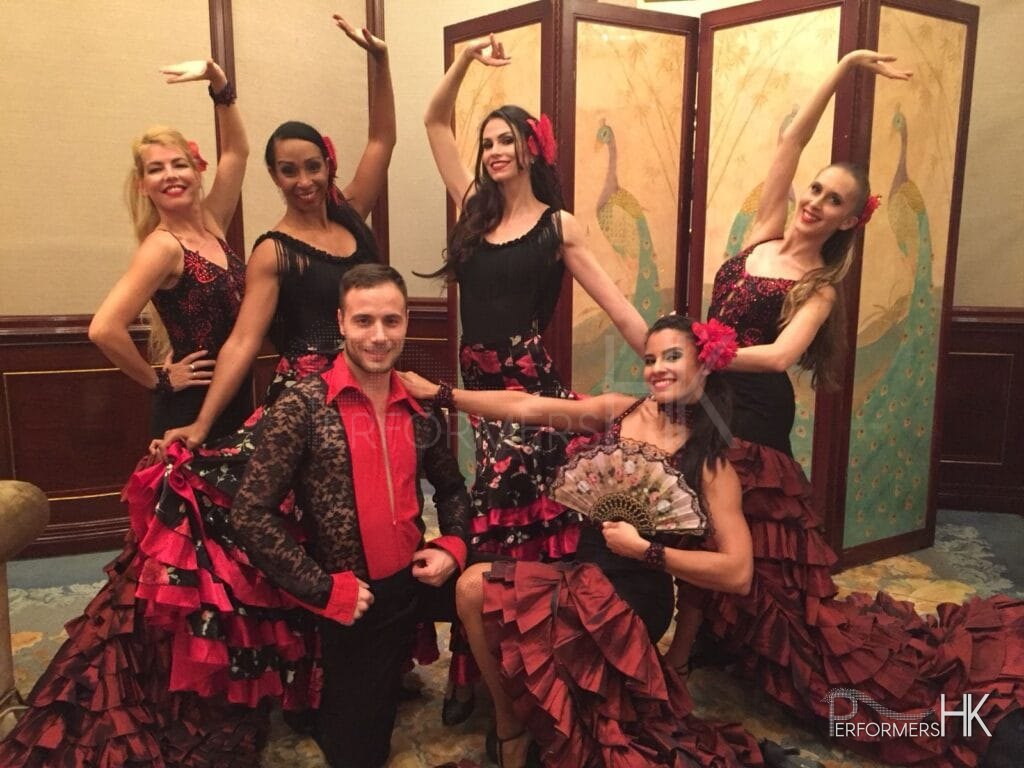
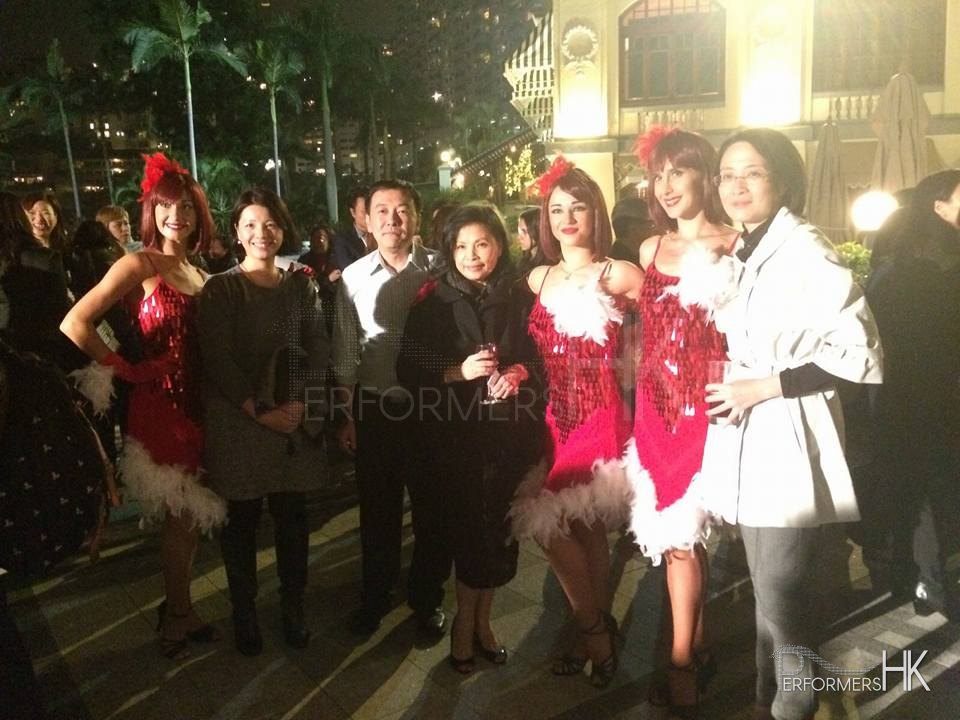
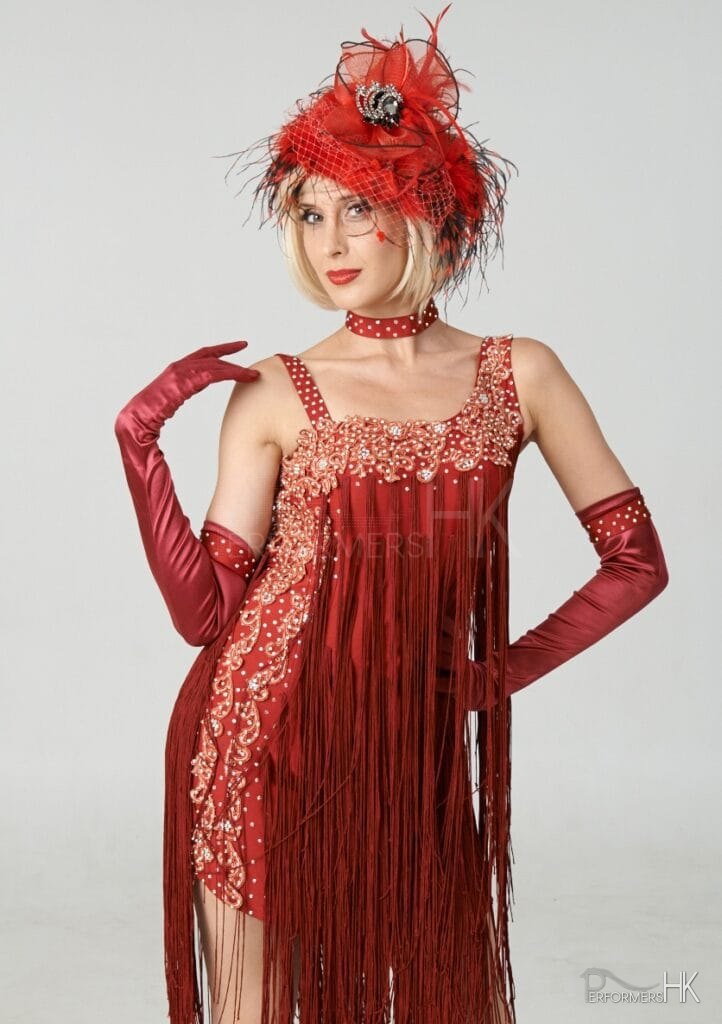
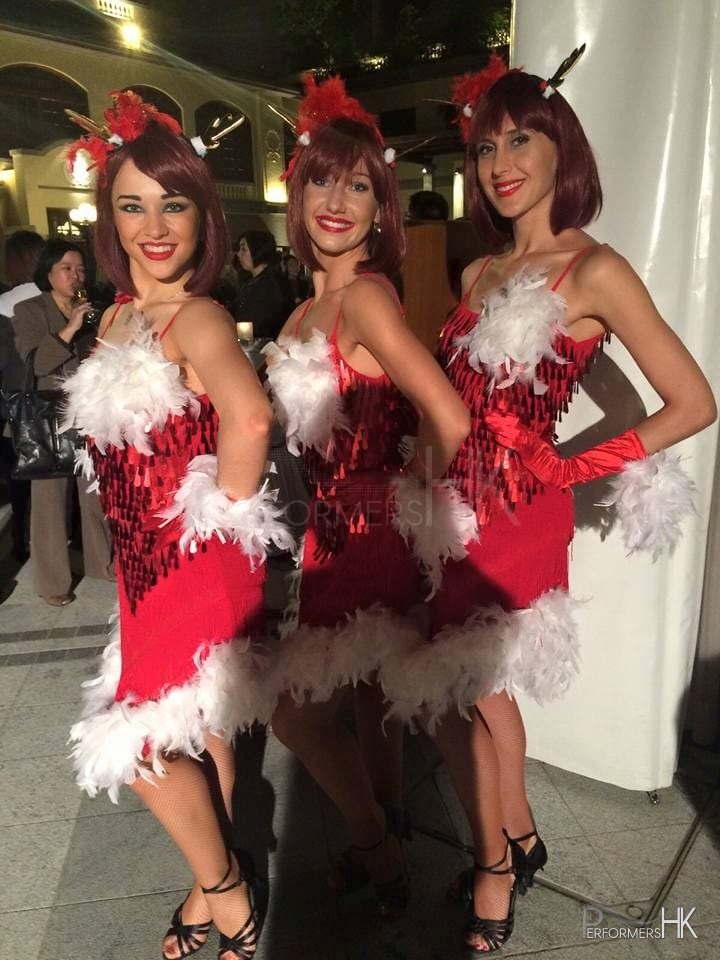
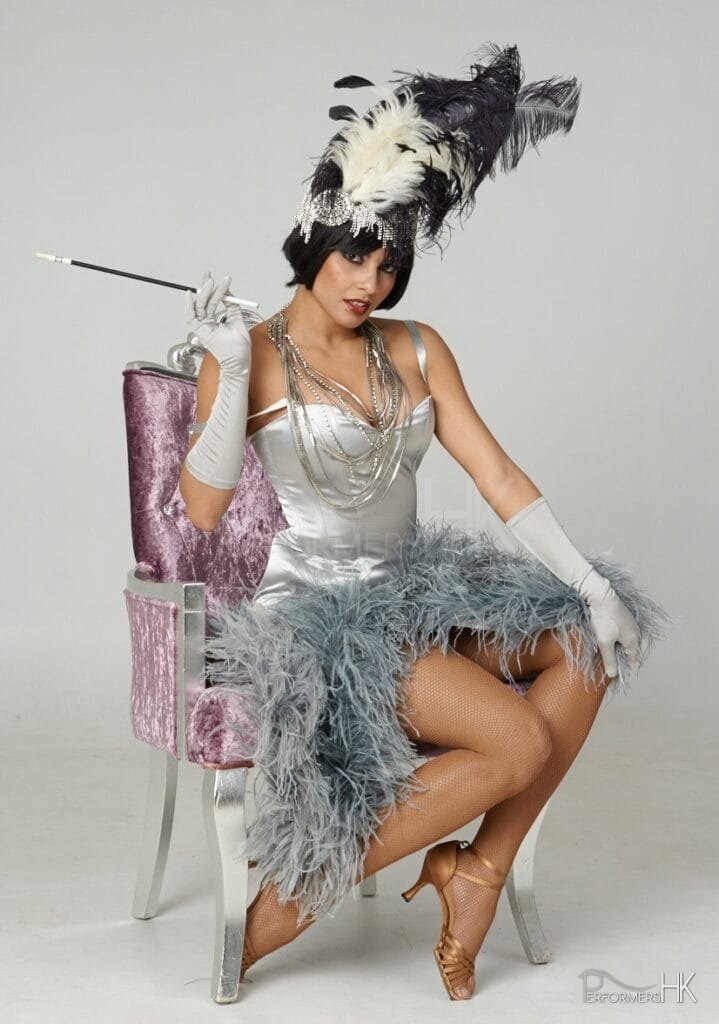
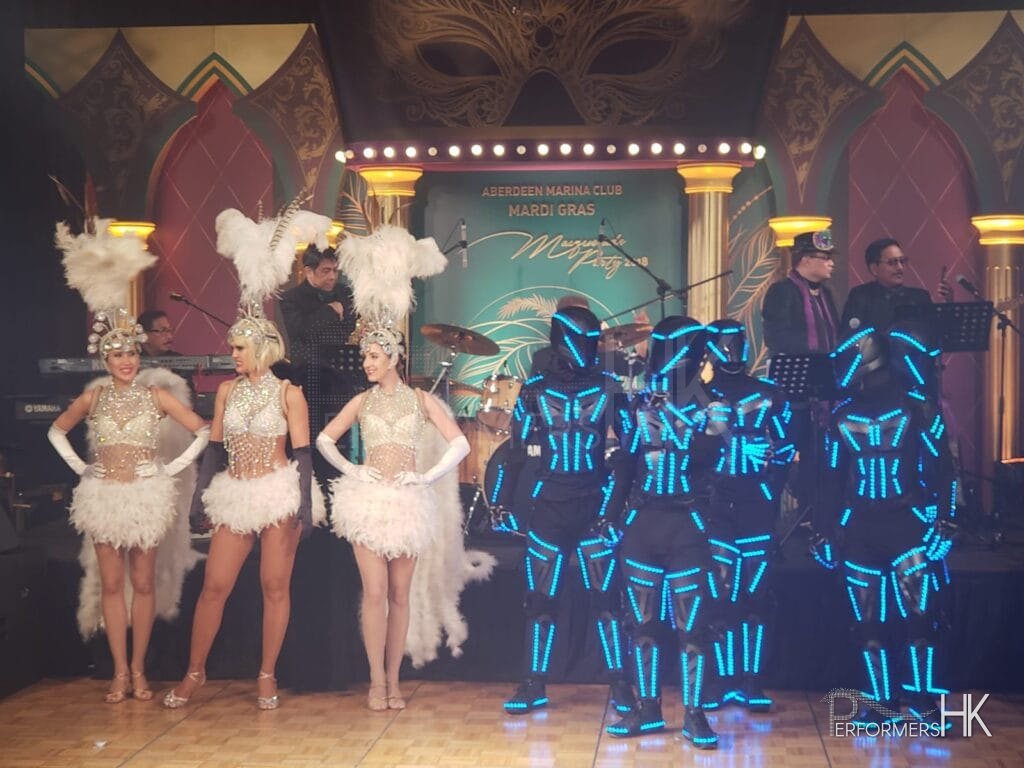
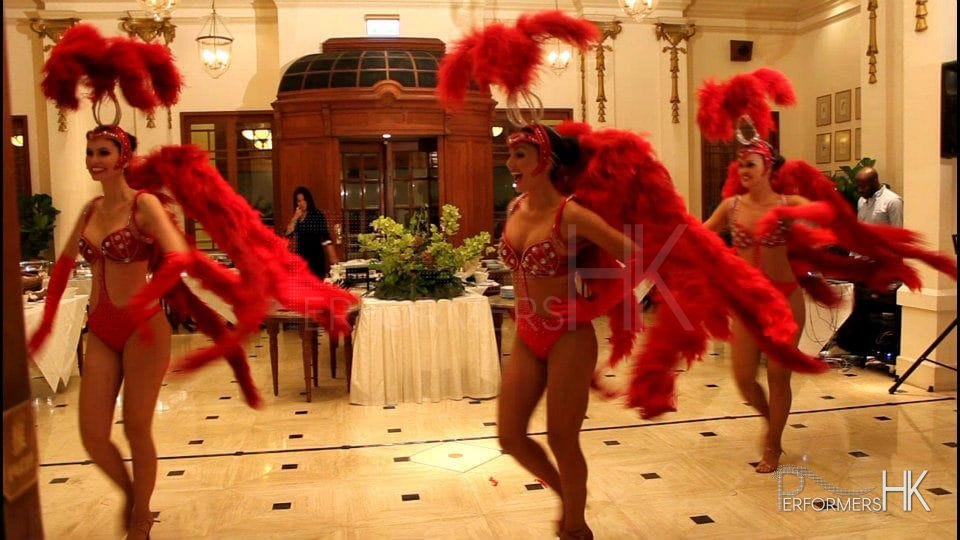
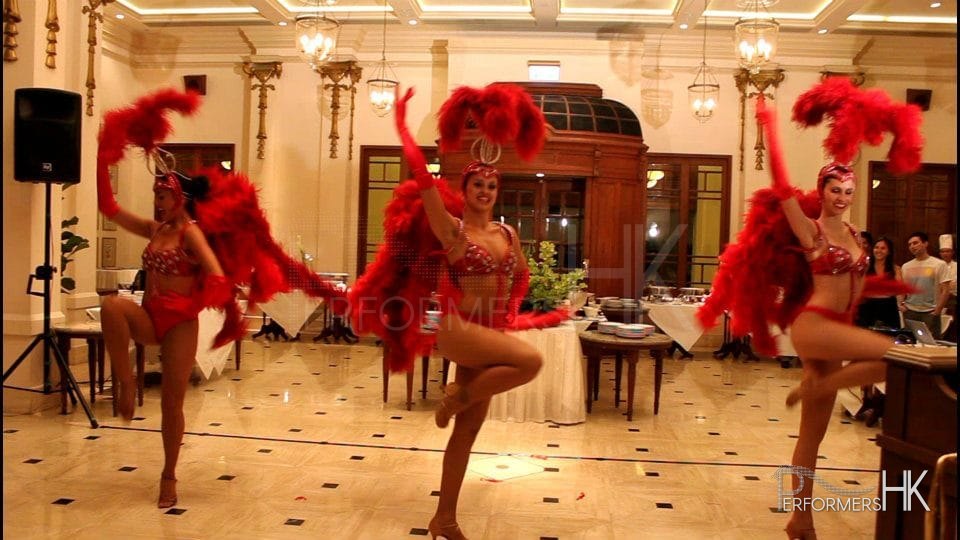
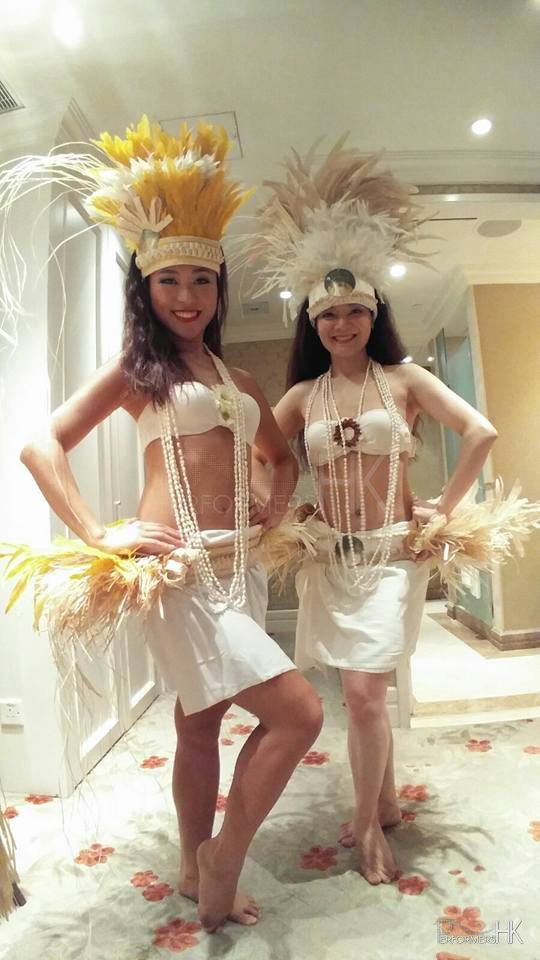
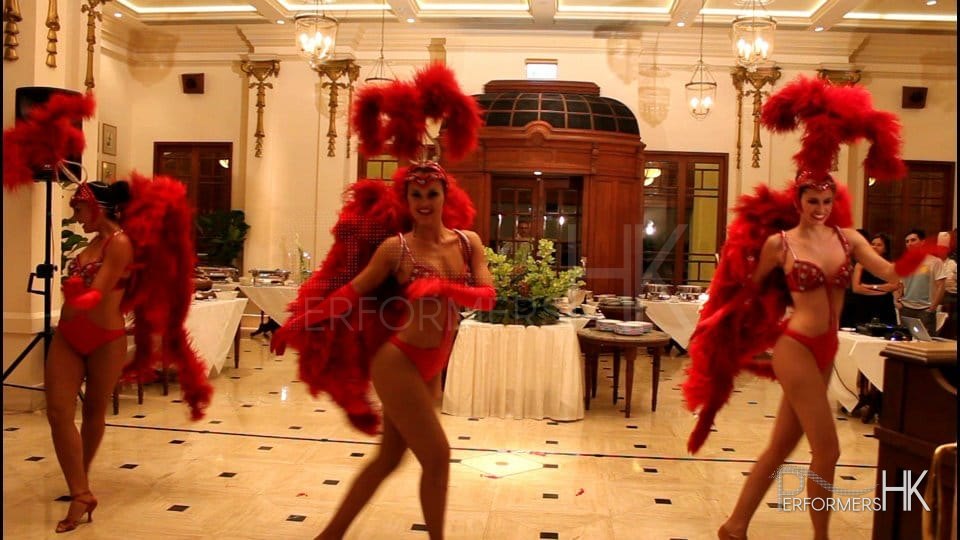
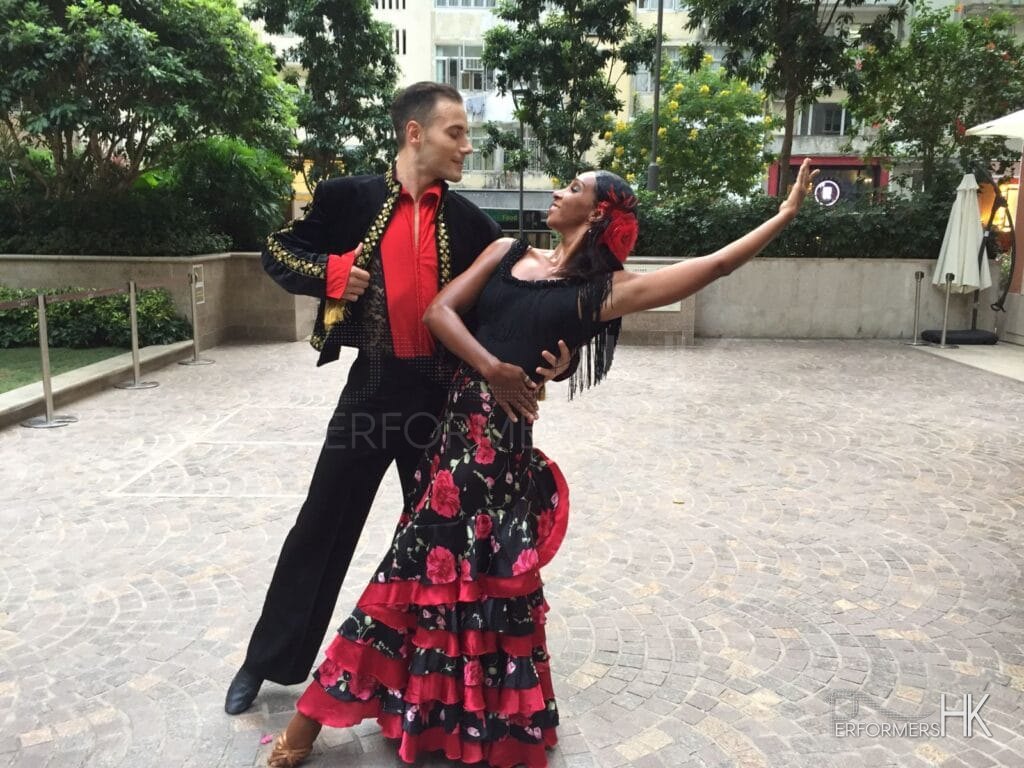
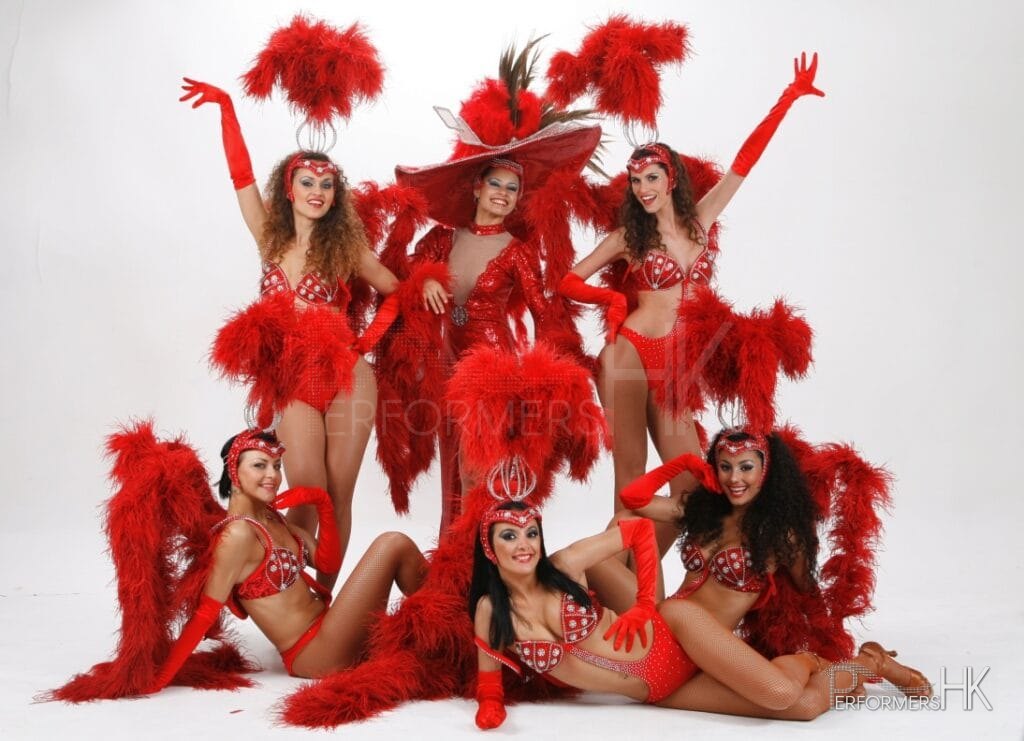
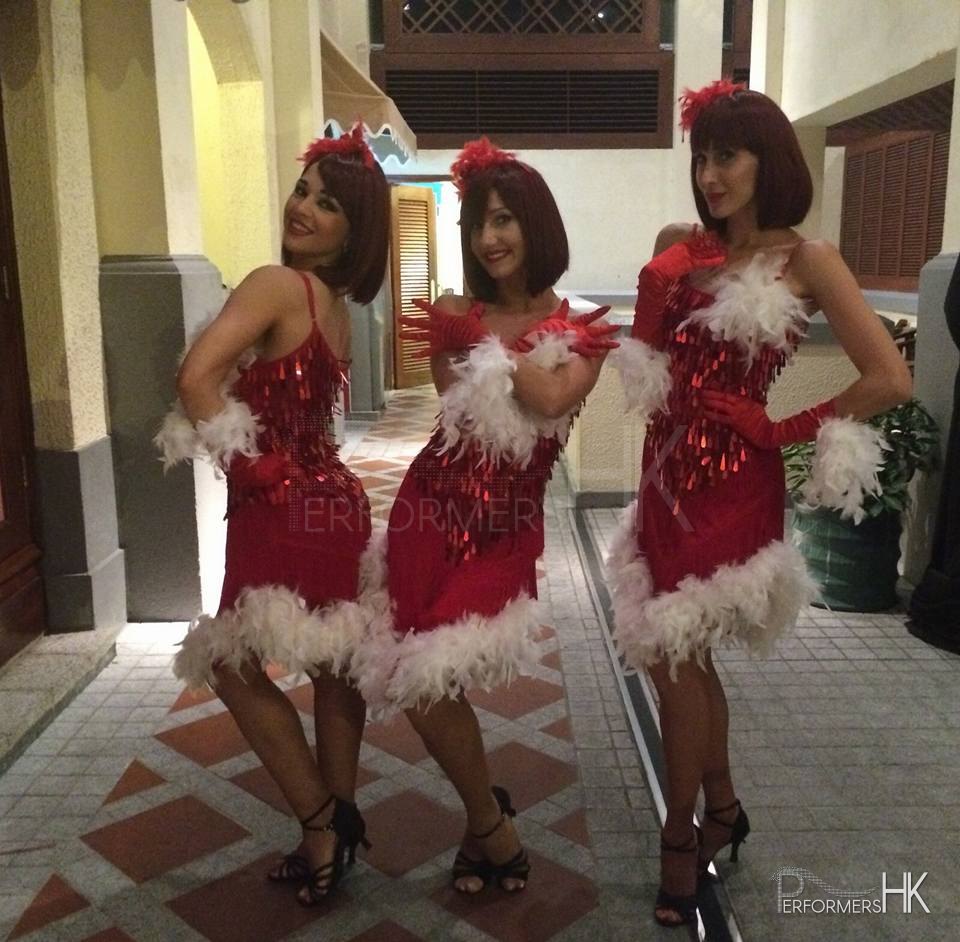
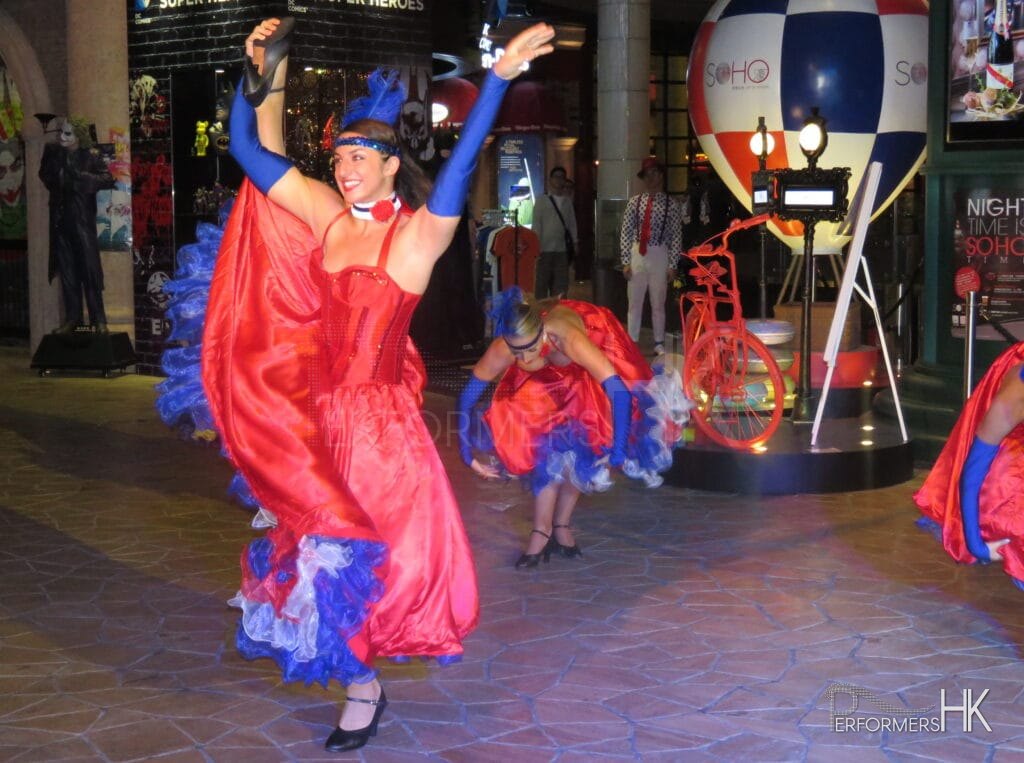
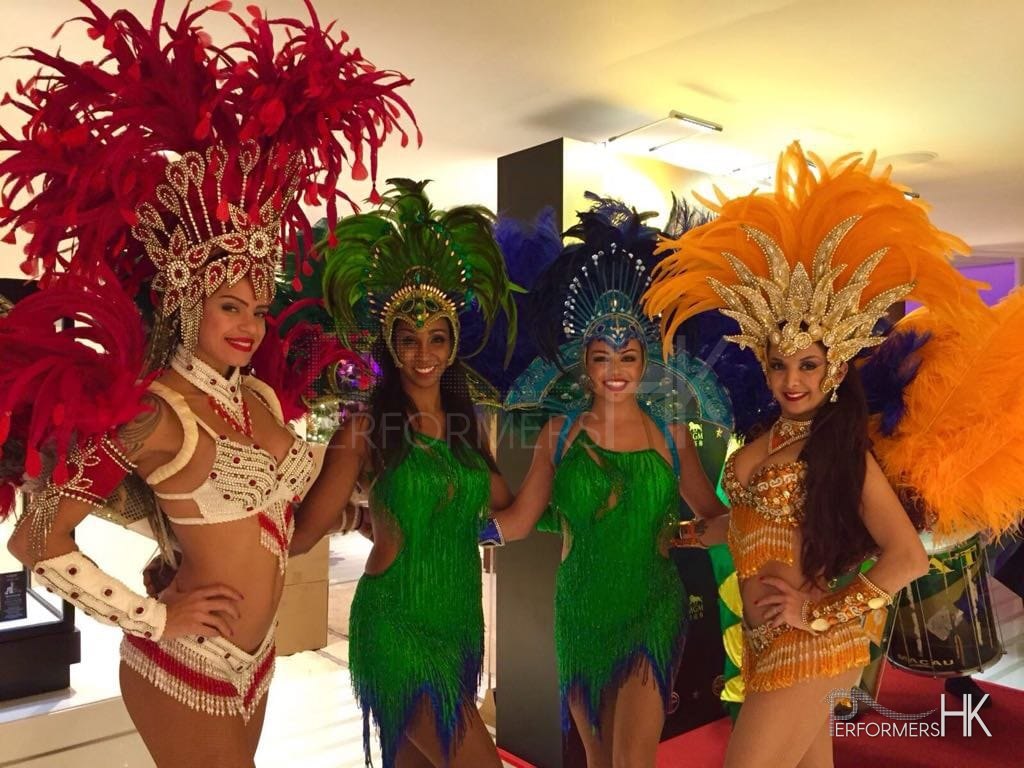
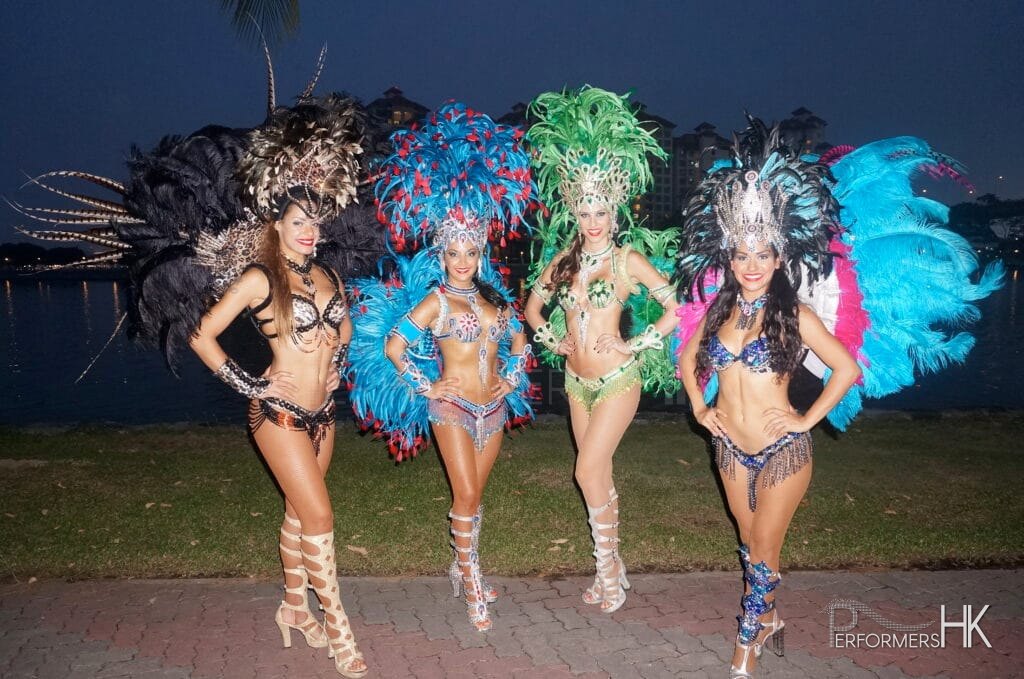
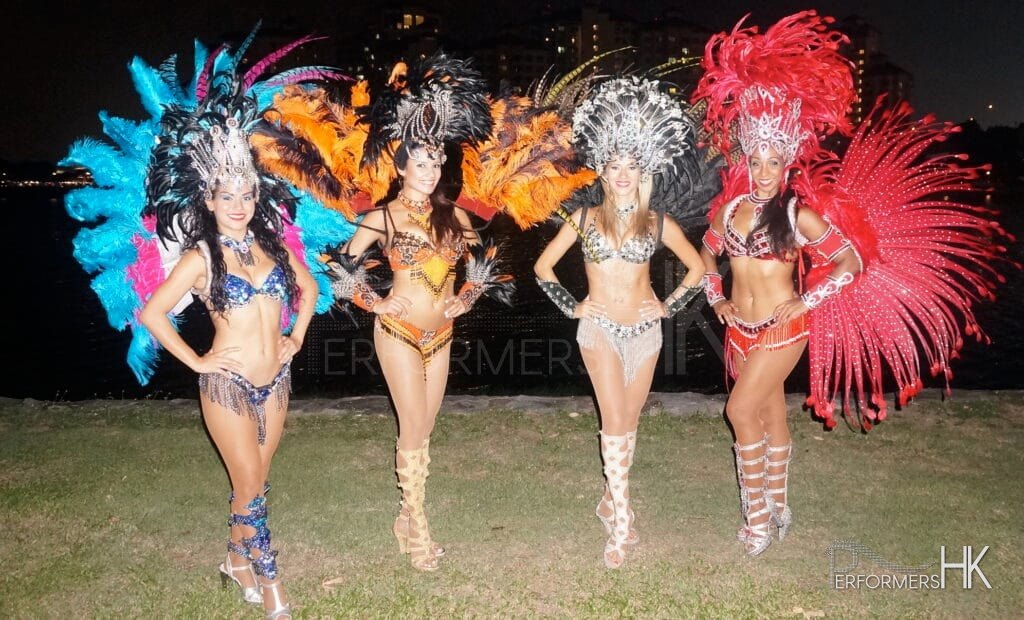
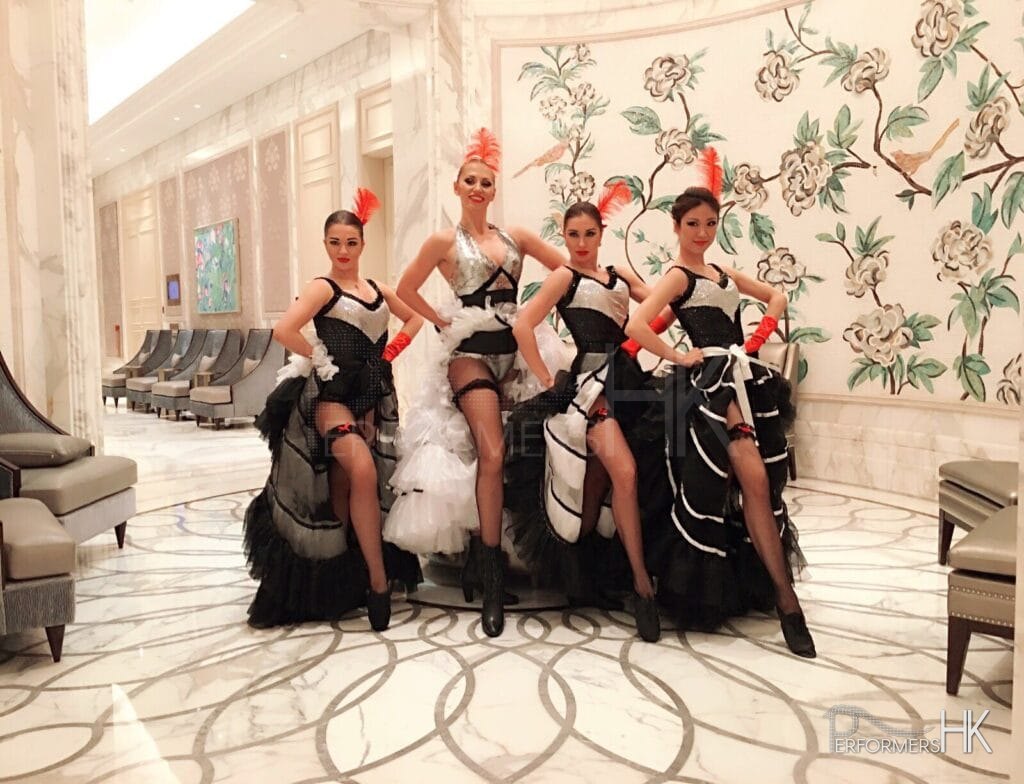
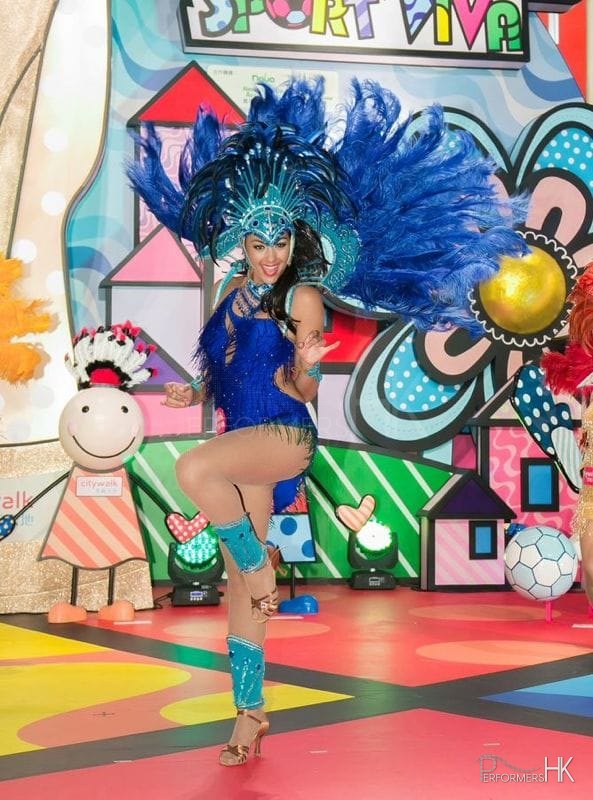
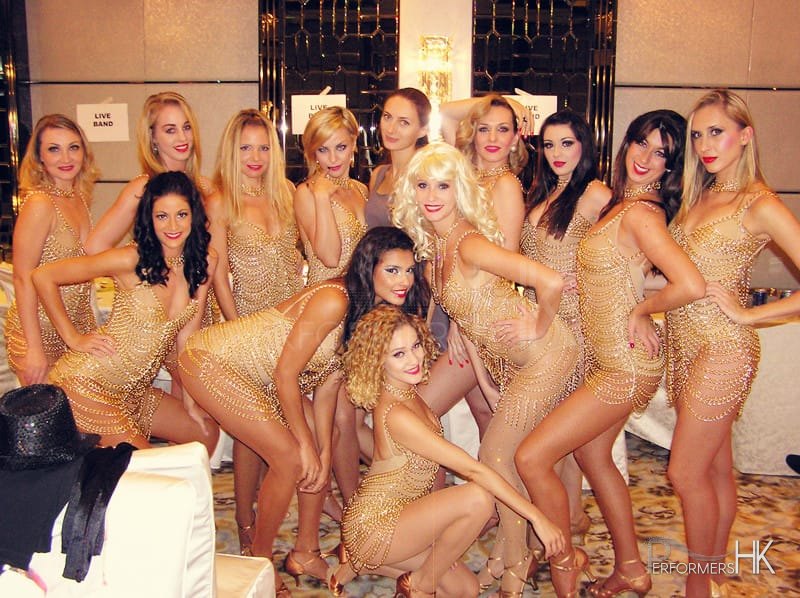
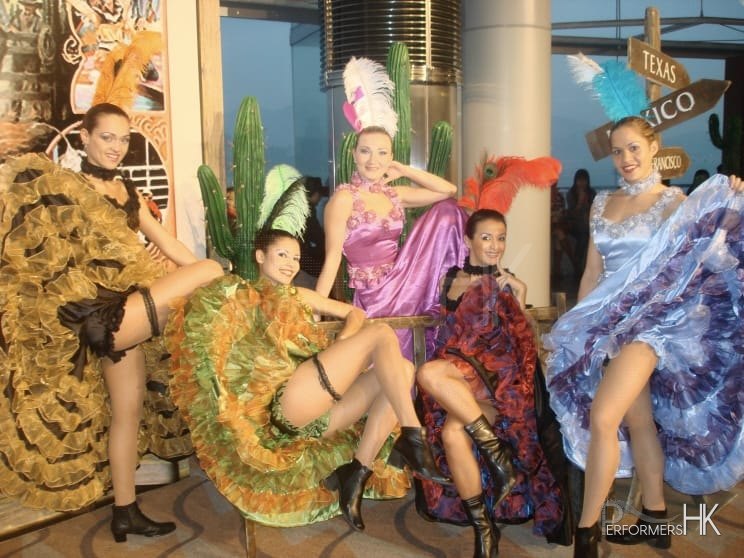
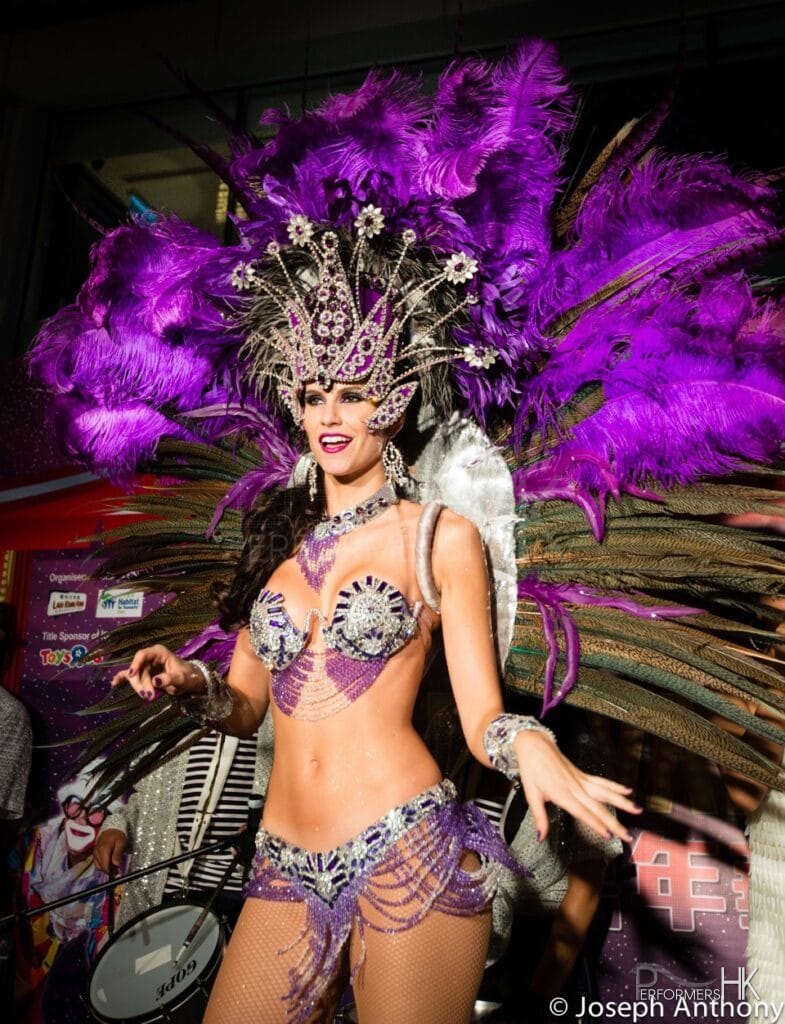
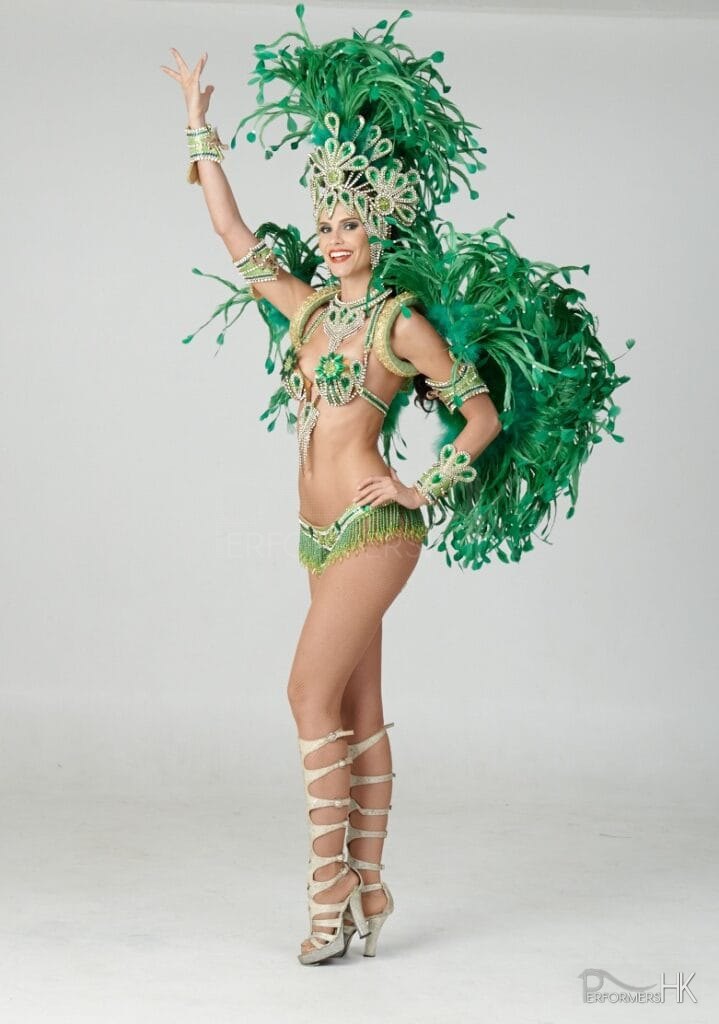
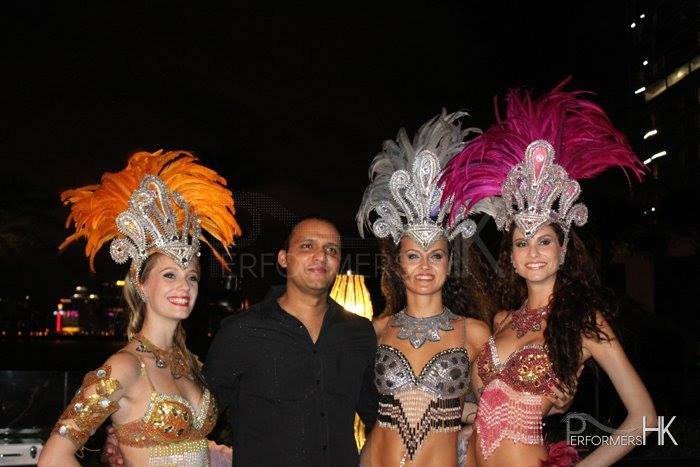
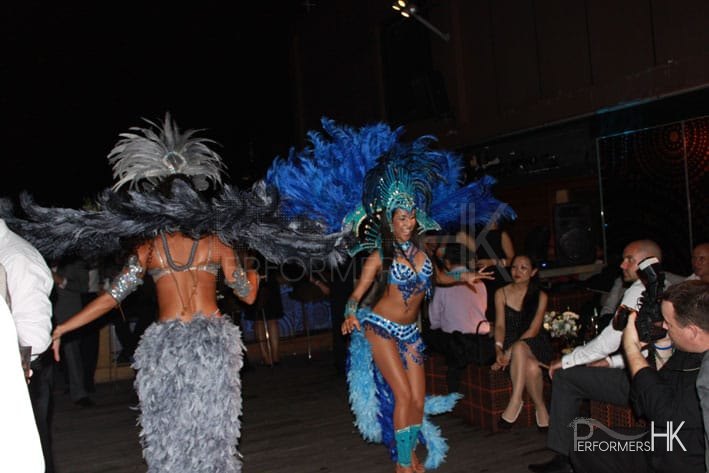
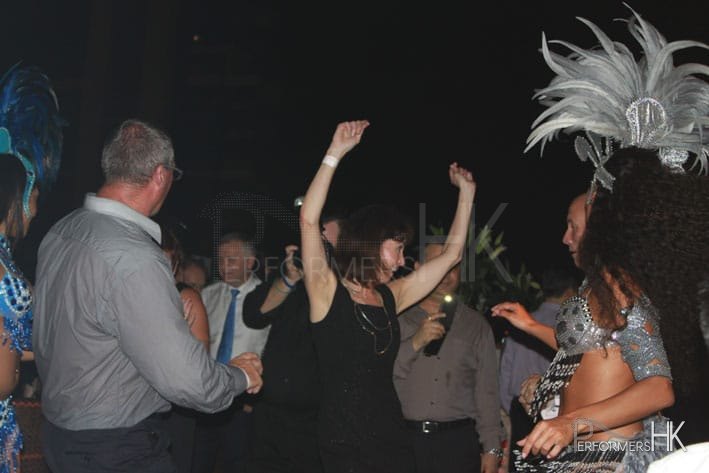
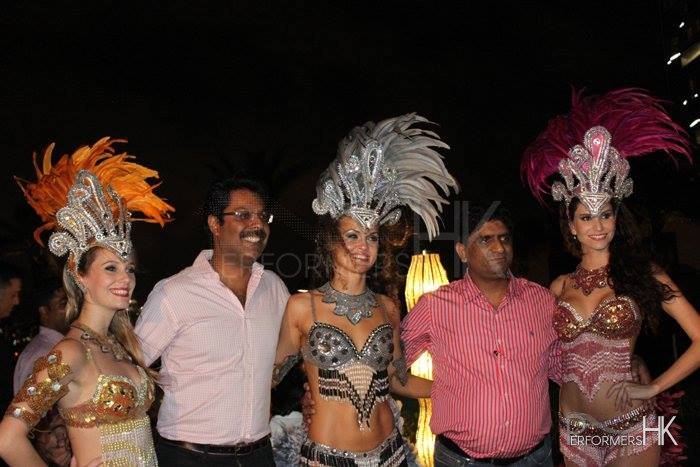
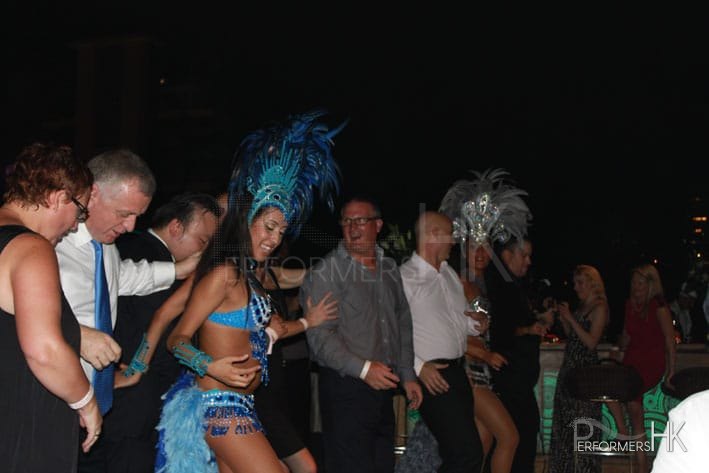
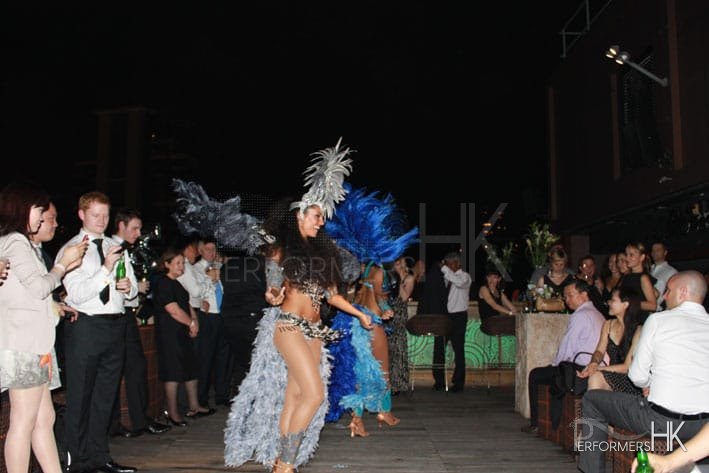
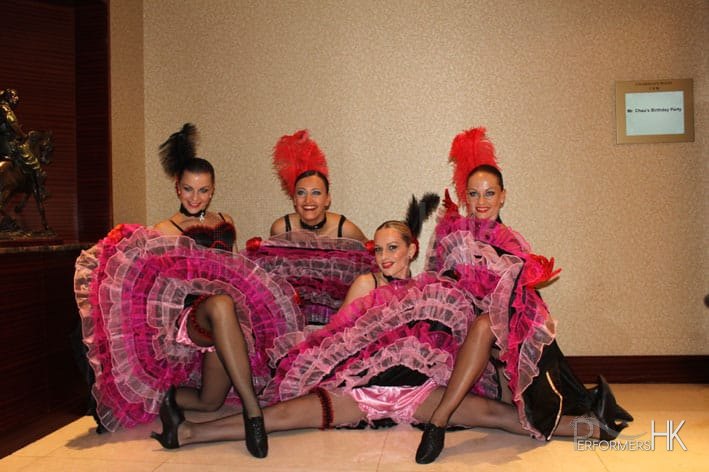
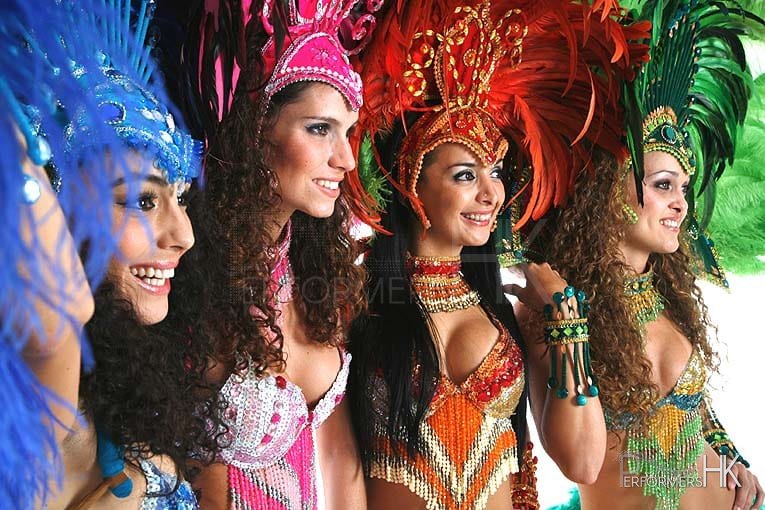
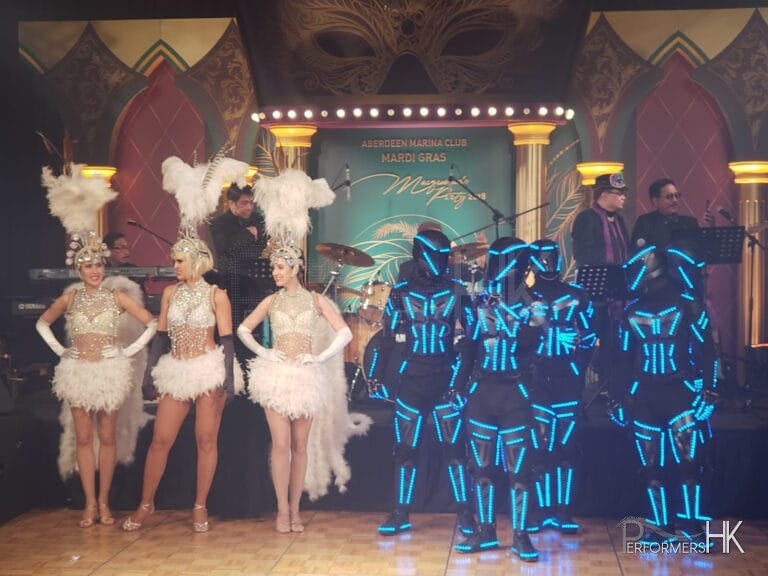
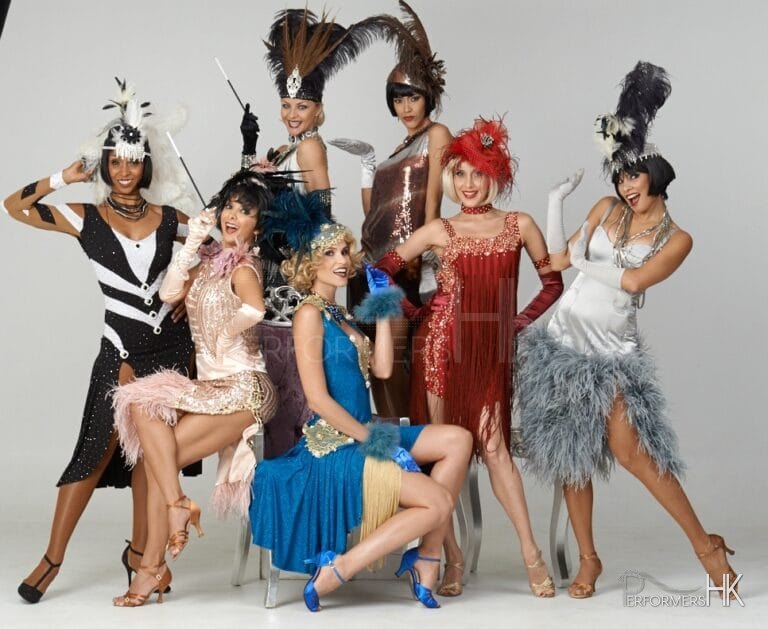
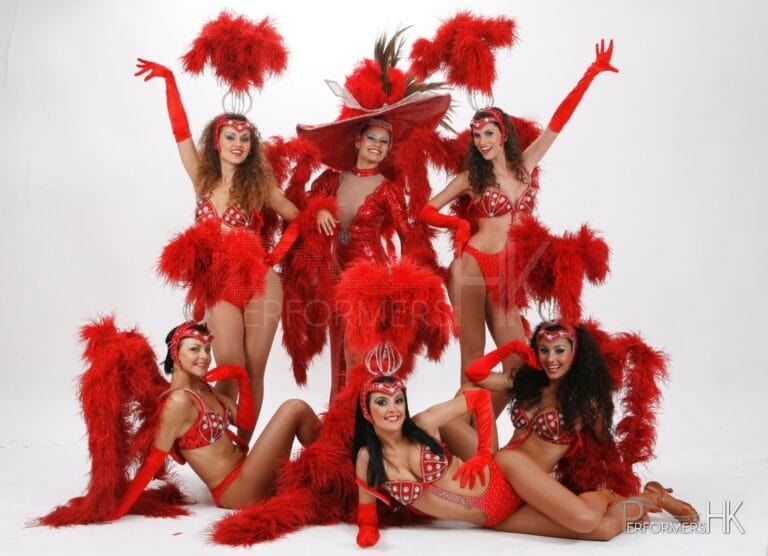
Costume is the second cost, and it is larger than people expect. On a samba costume every feather is attached individually. They have to be shipped carefully, and they have to be stored. The samba headdress is tied on, which is why our dancers will not stay in it all evening — it is heavy to move in and genuinely uncomfortable.
The third cost is the one nobody sees. A dance routine takes at least six or seven hours of rehearsal before anyone performs it. If you want choreography built for your event, that is an additional cost. If the dancers are learning an existing routine, it is still an additional cost, because a choreographer still has to stand in the room and tell them what is right and what is wrong. Studio hire sits on top of both.
So: dance is a high-value item in Hong Kong, and we would rather explain that honestly than surprise you with it.
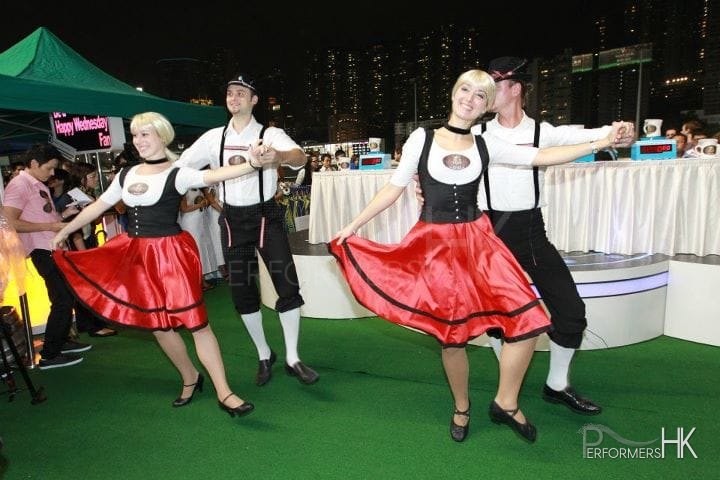
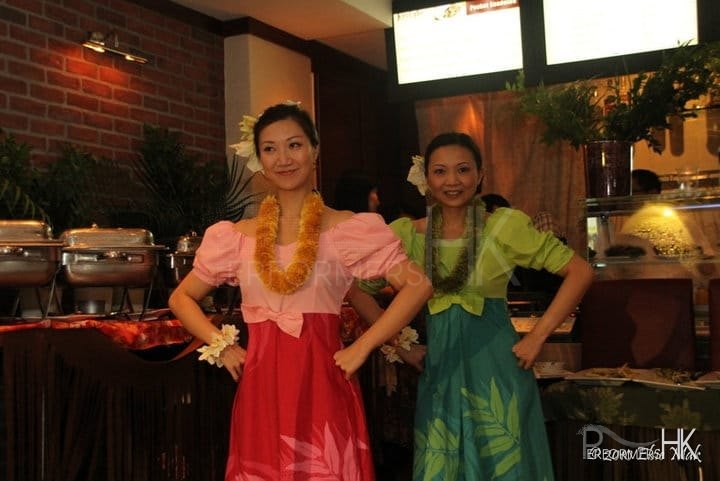
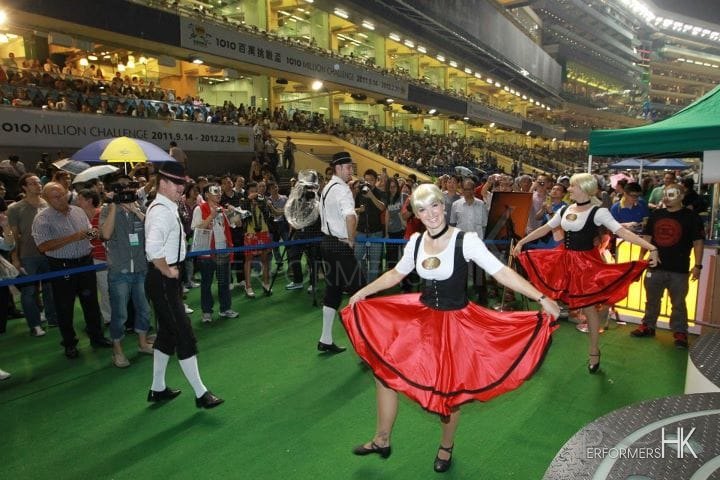
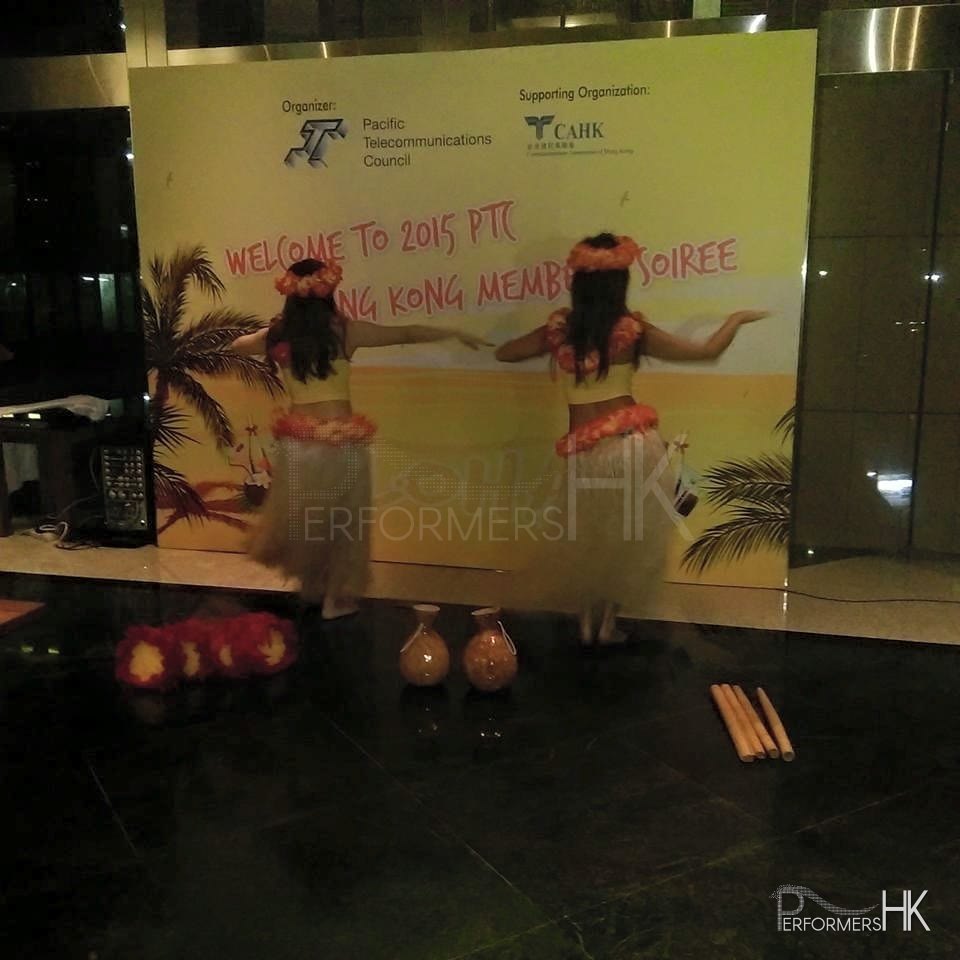
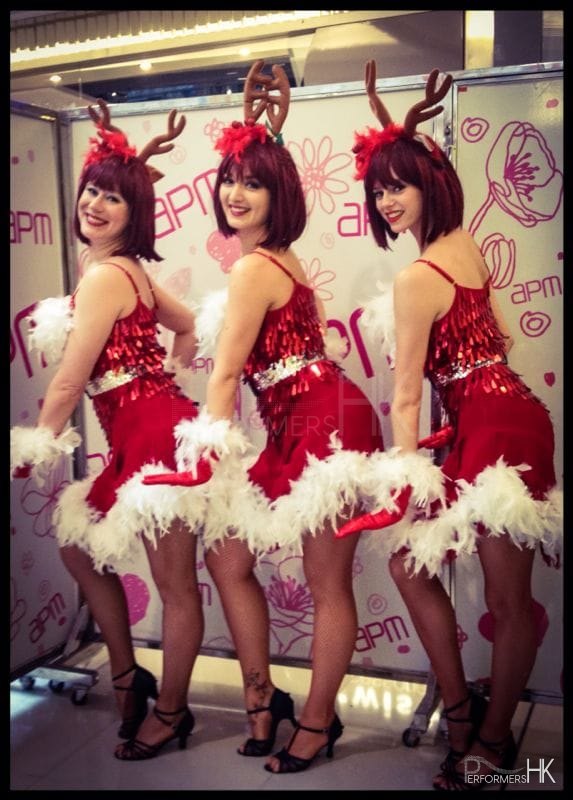
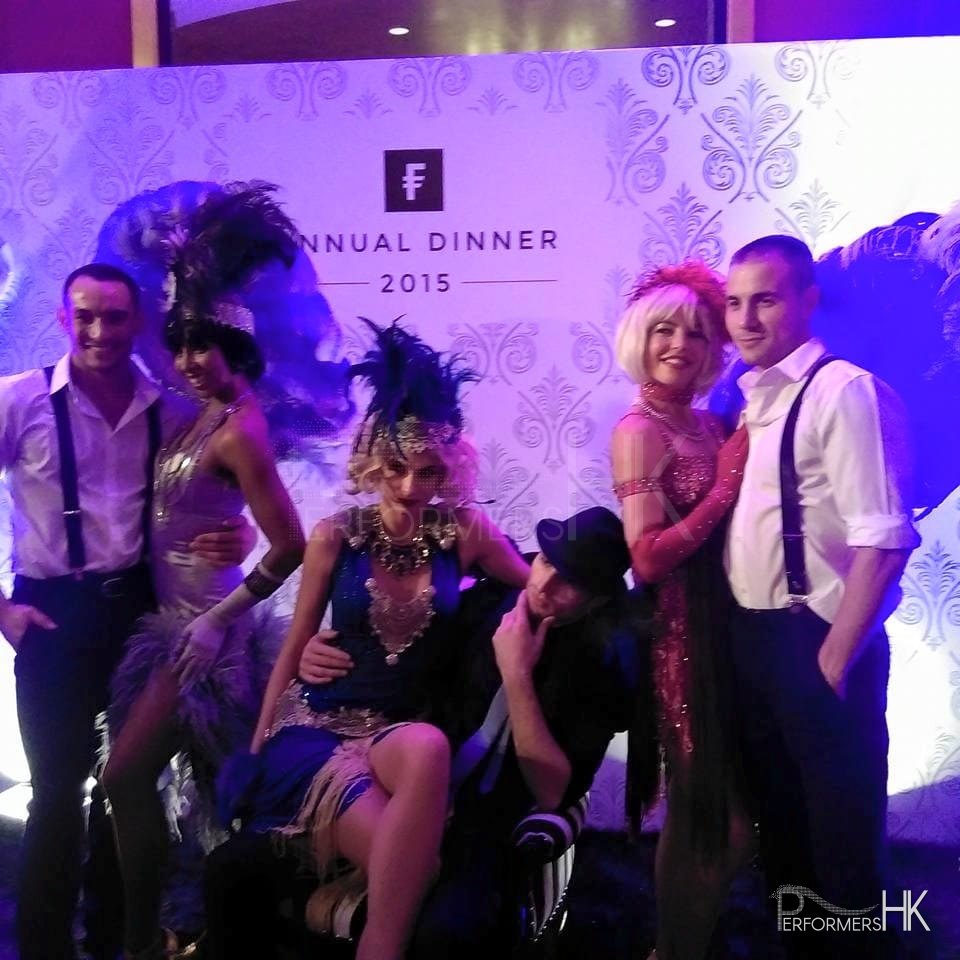
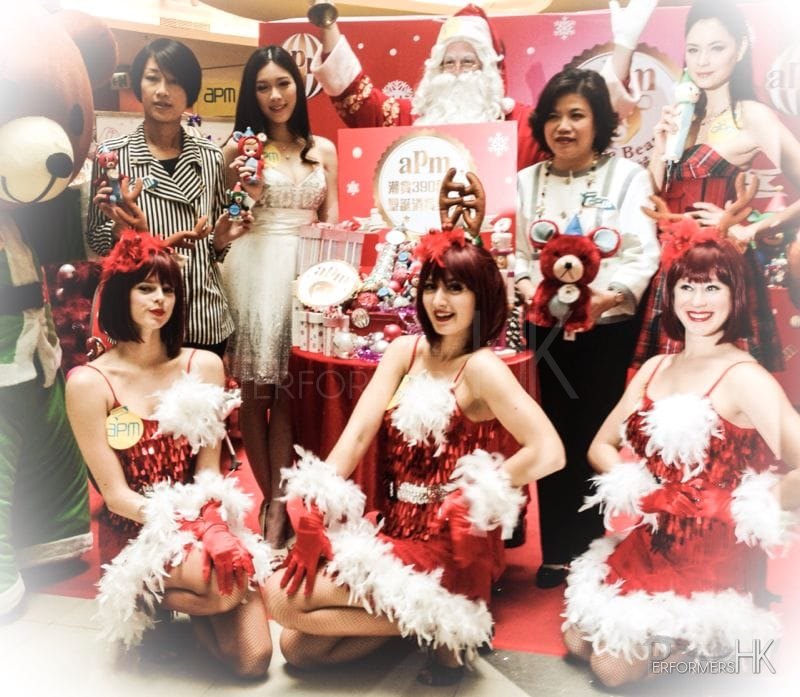
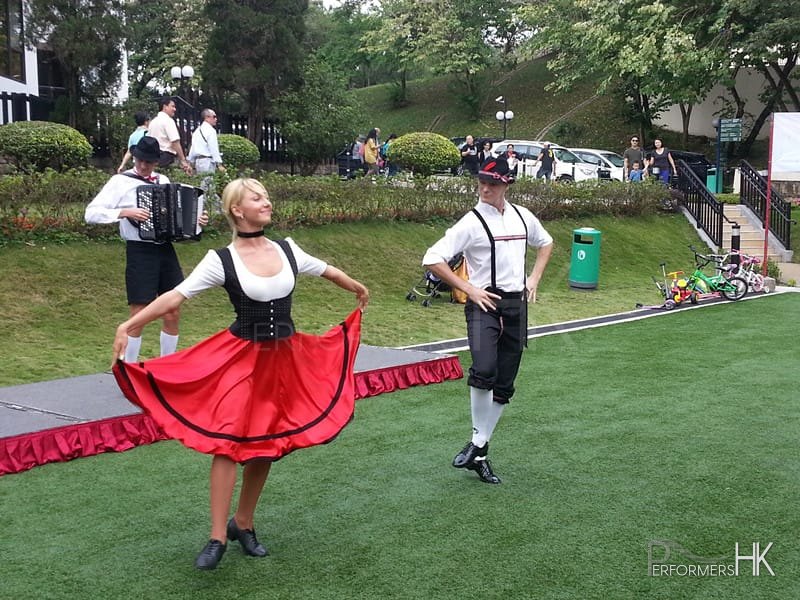
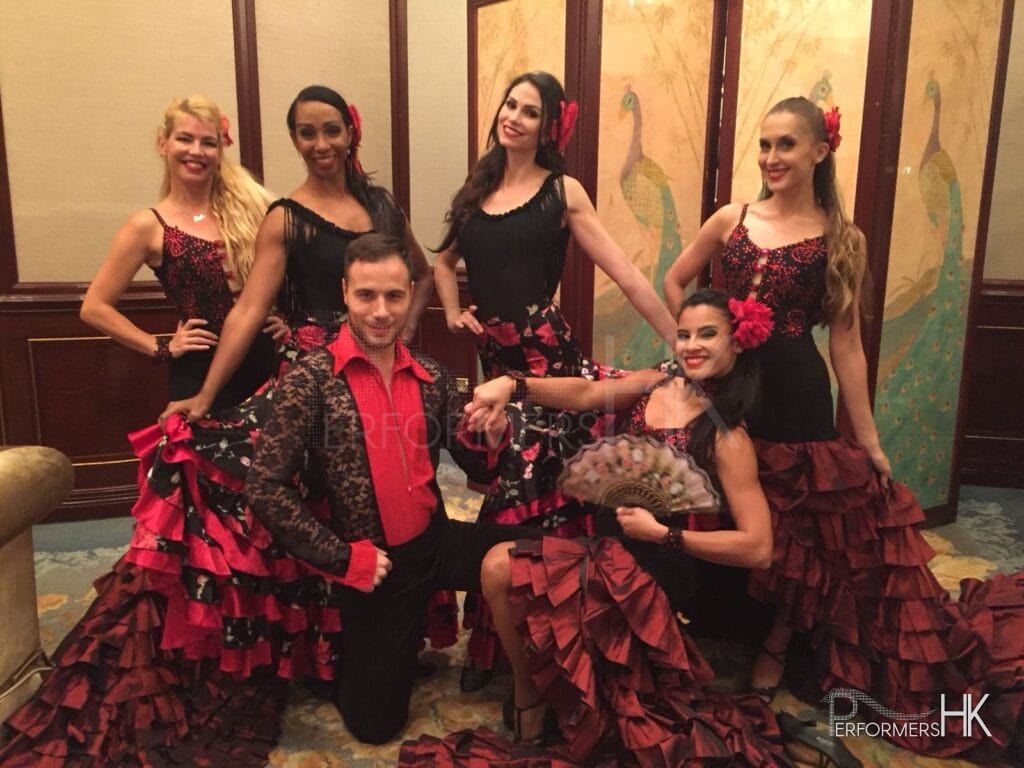
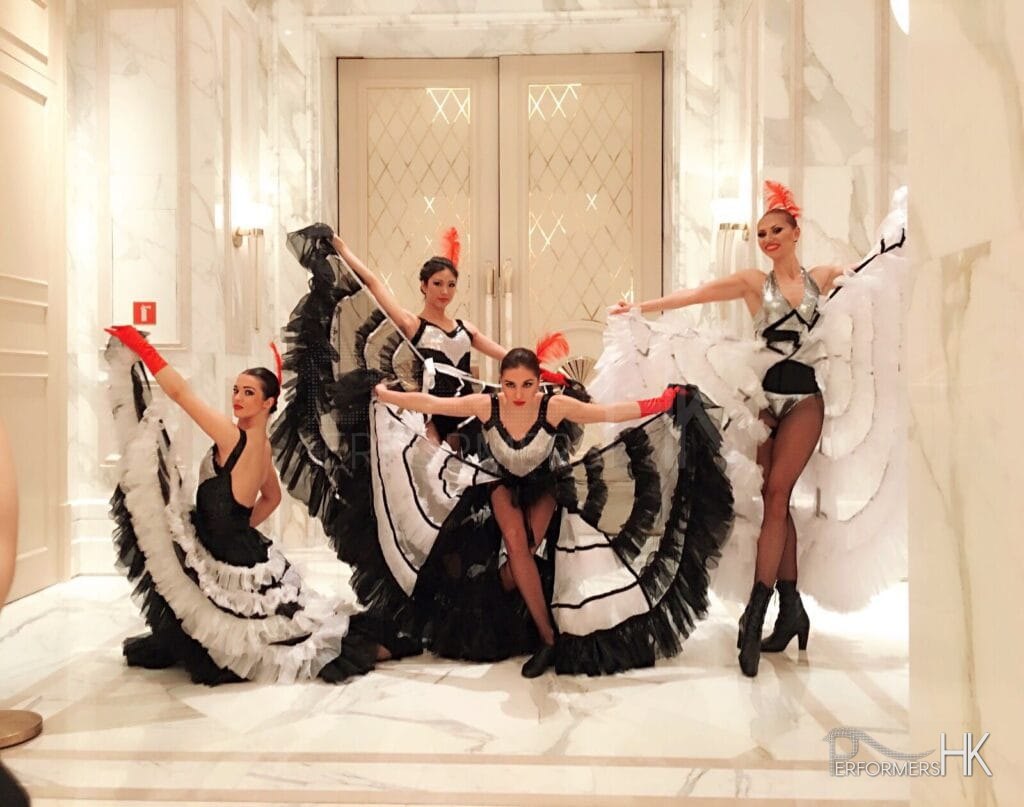
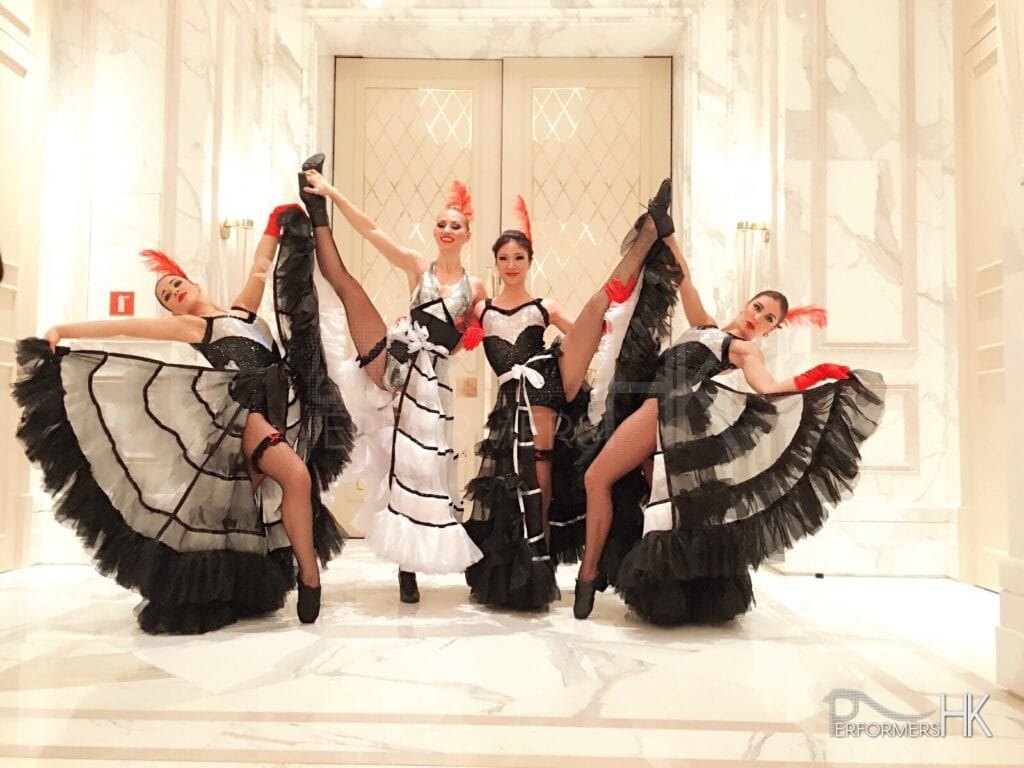
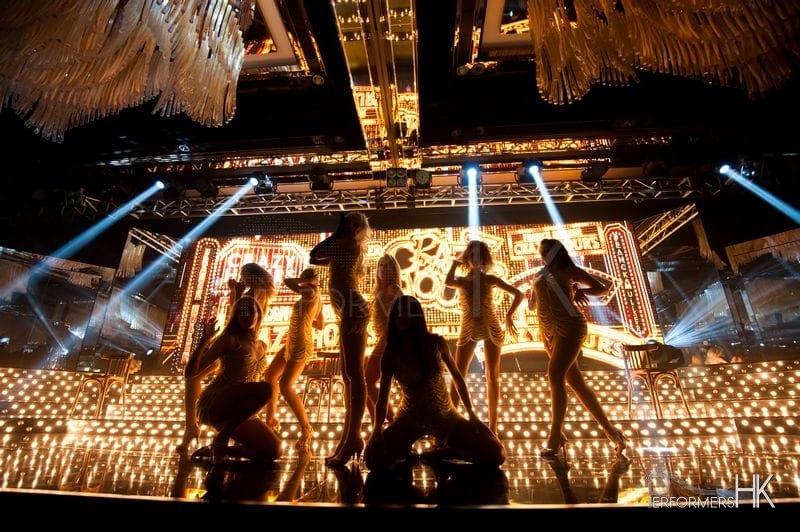
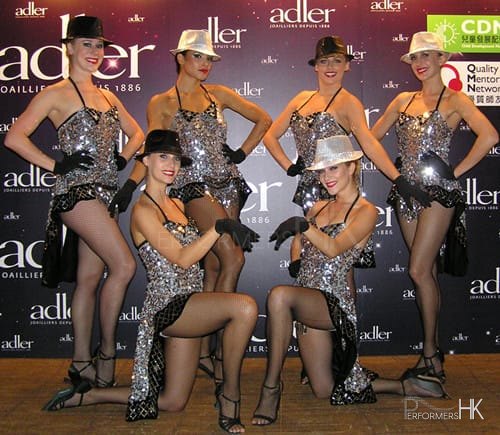
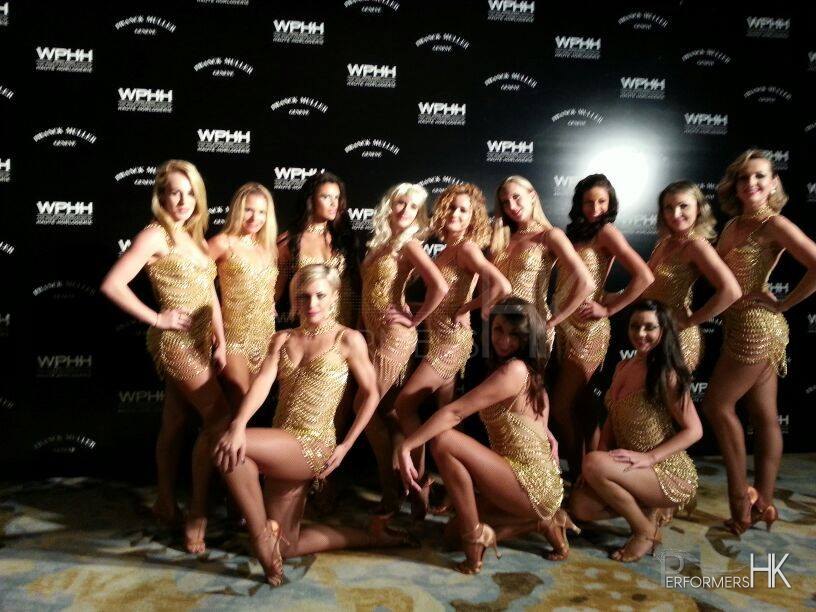
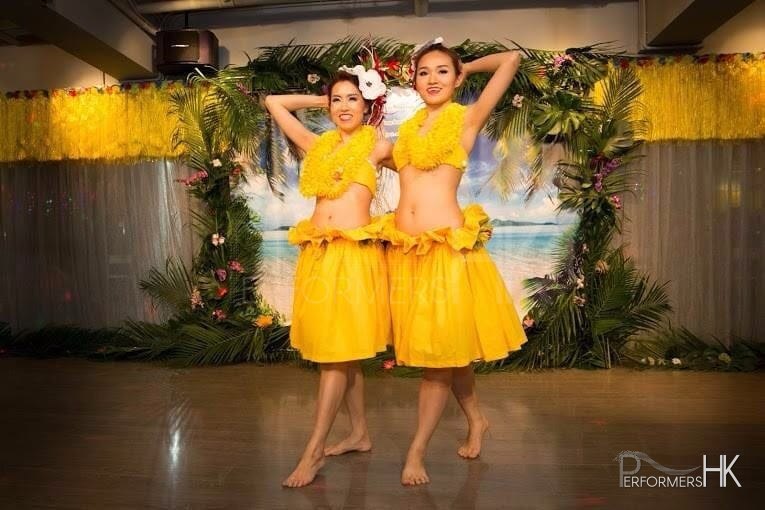
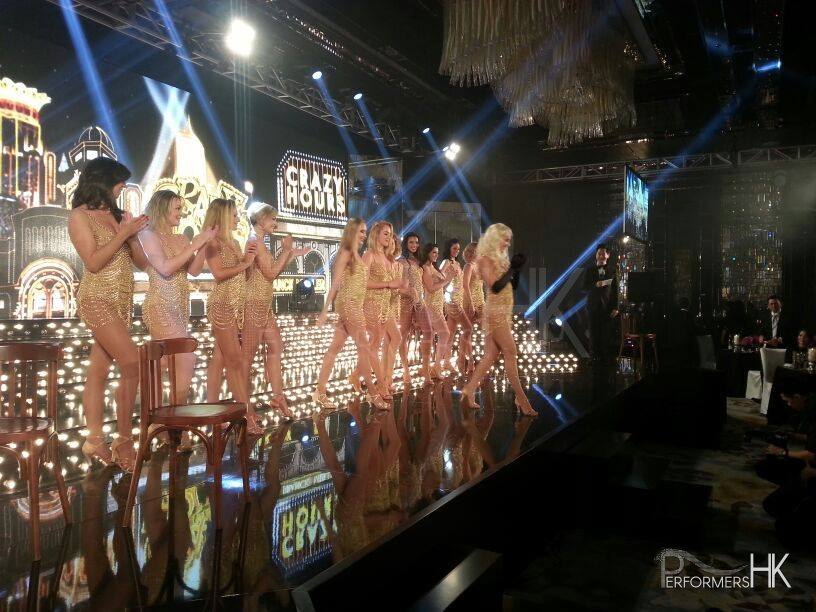
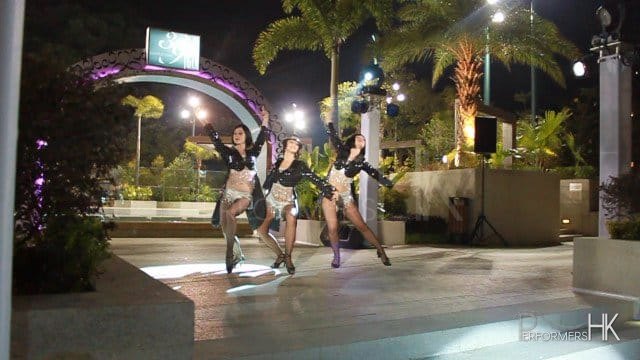
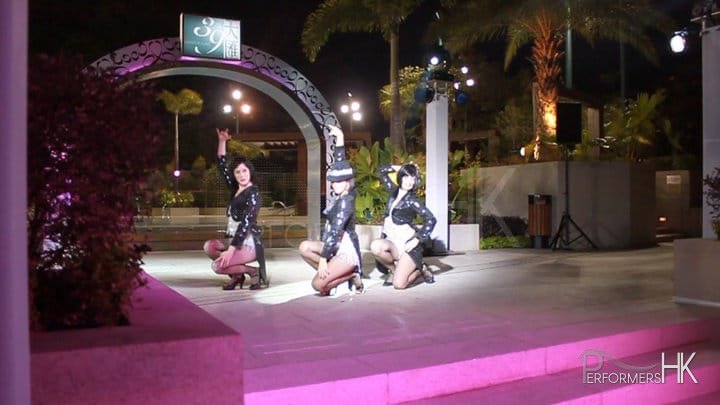
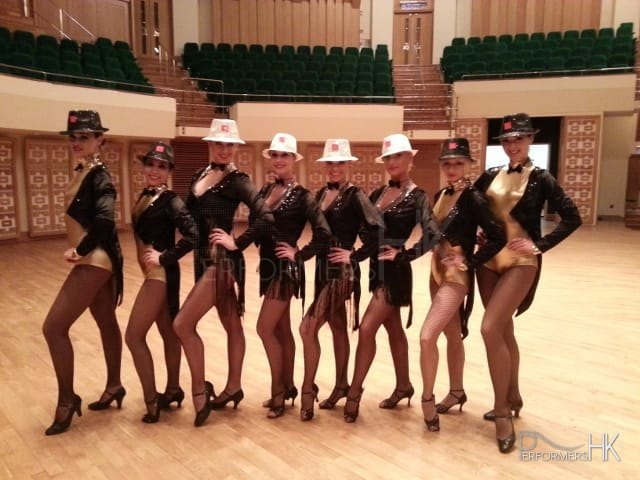
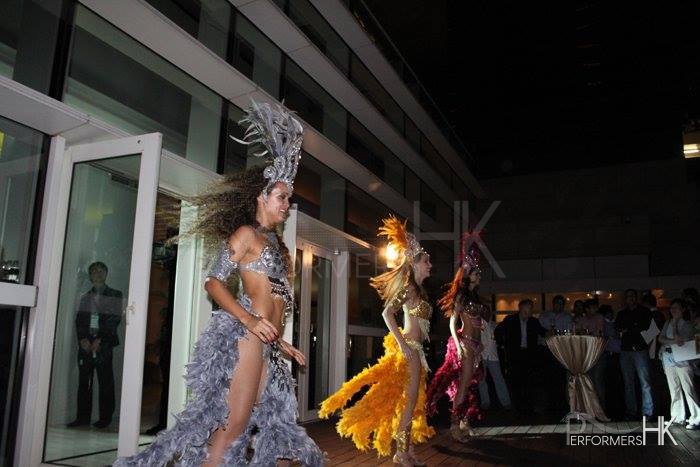
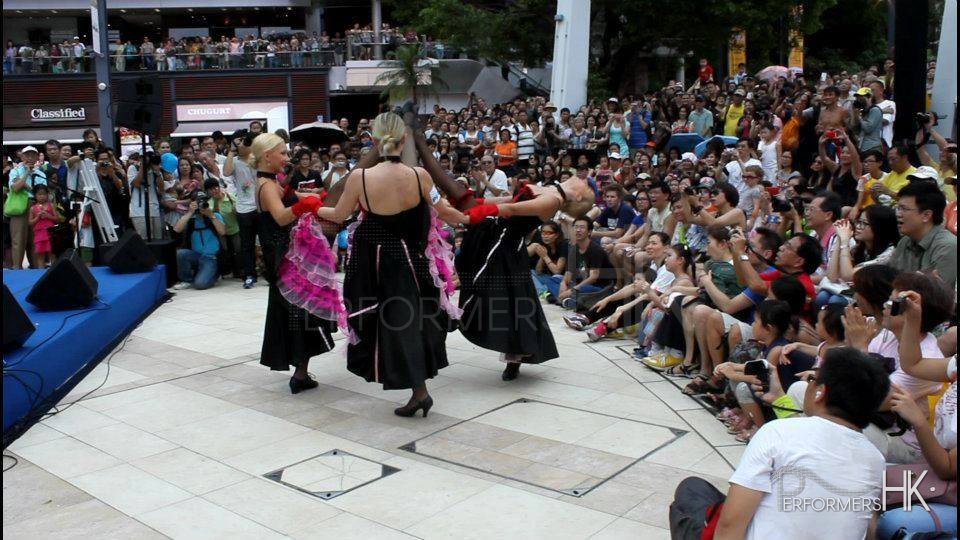
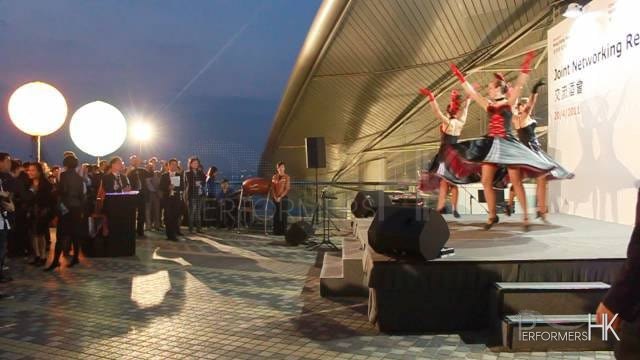
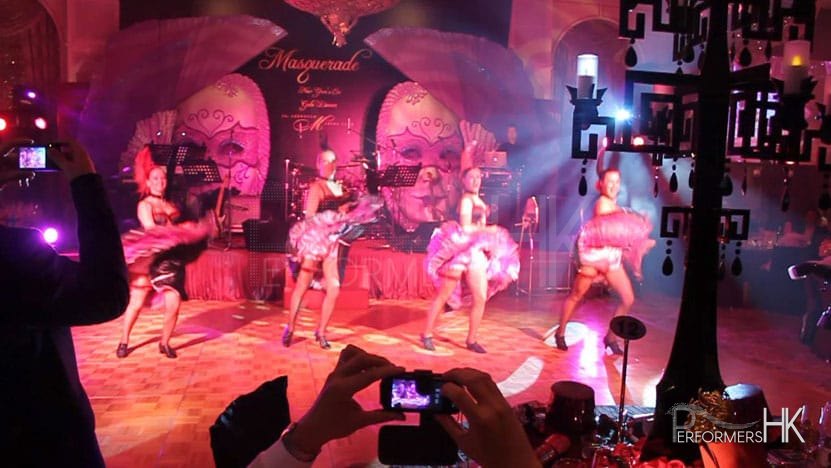
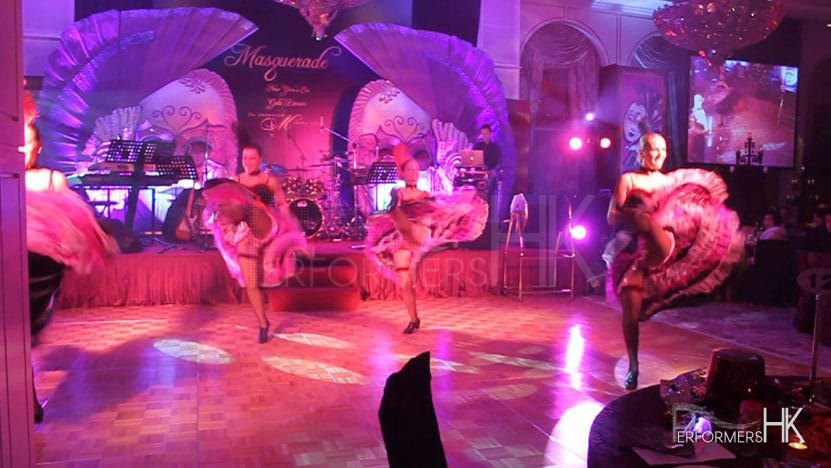
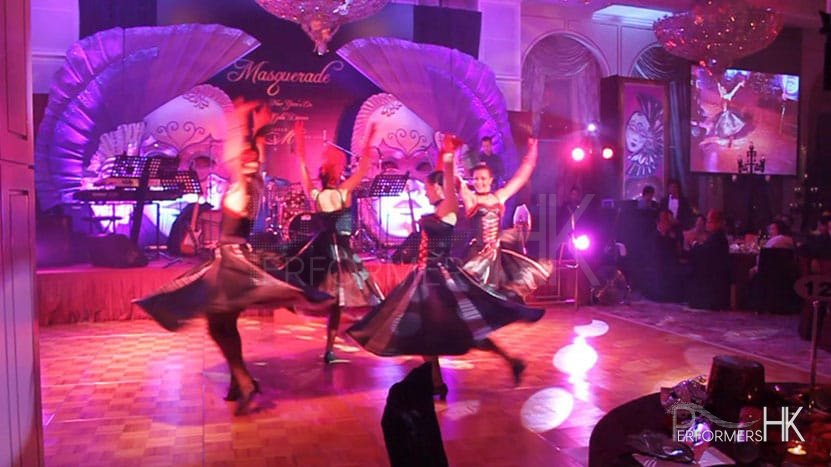
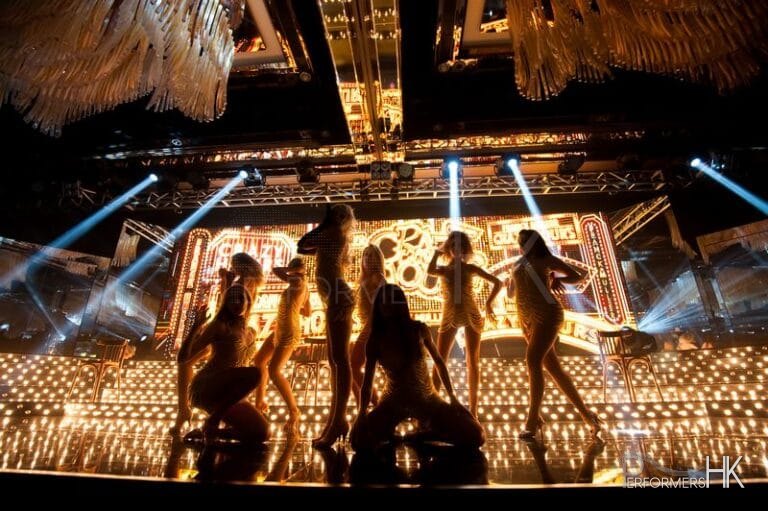
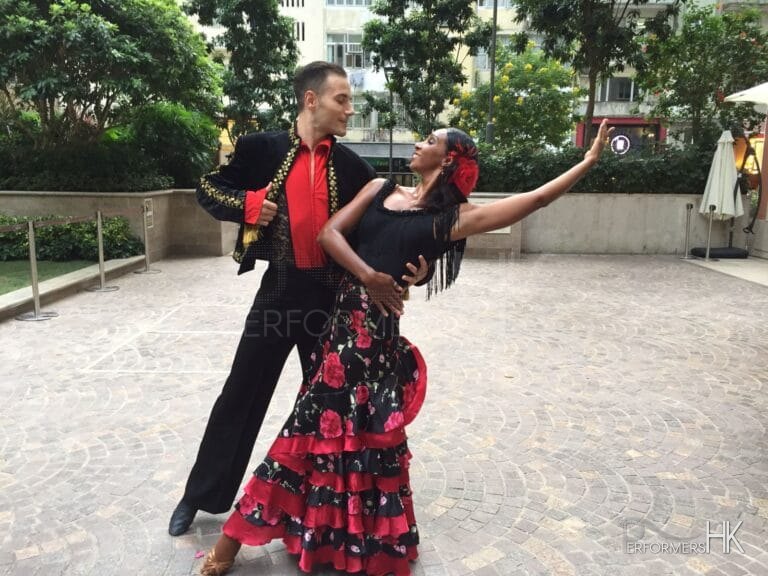
How many dancers. Numbers are decided by the room before style is even discussed. For an annual dinner of around 300 with a proper stage, two dancers look lost — you want four or five to fill the stage and make it feel like a performance. For a reception of around 80, two dancers is right.
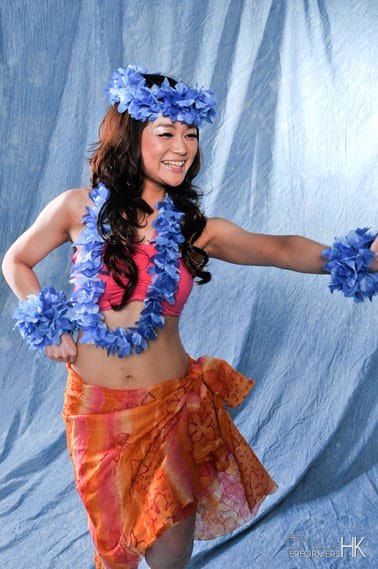
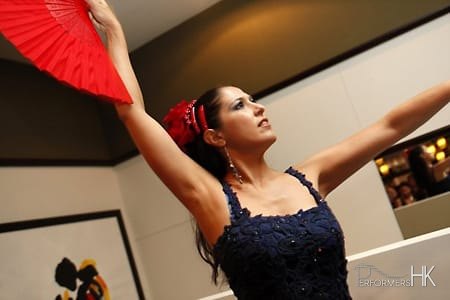
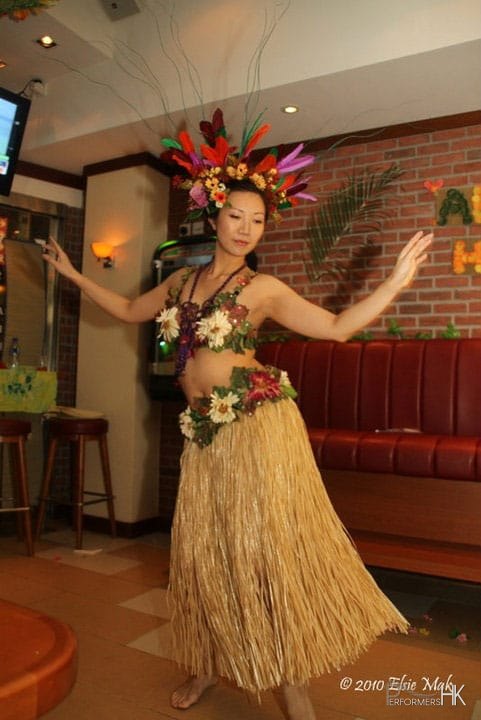
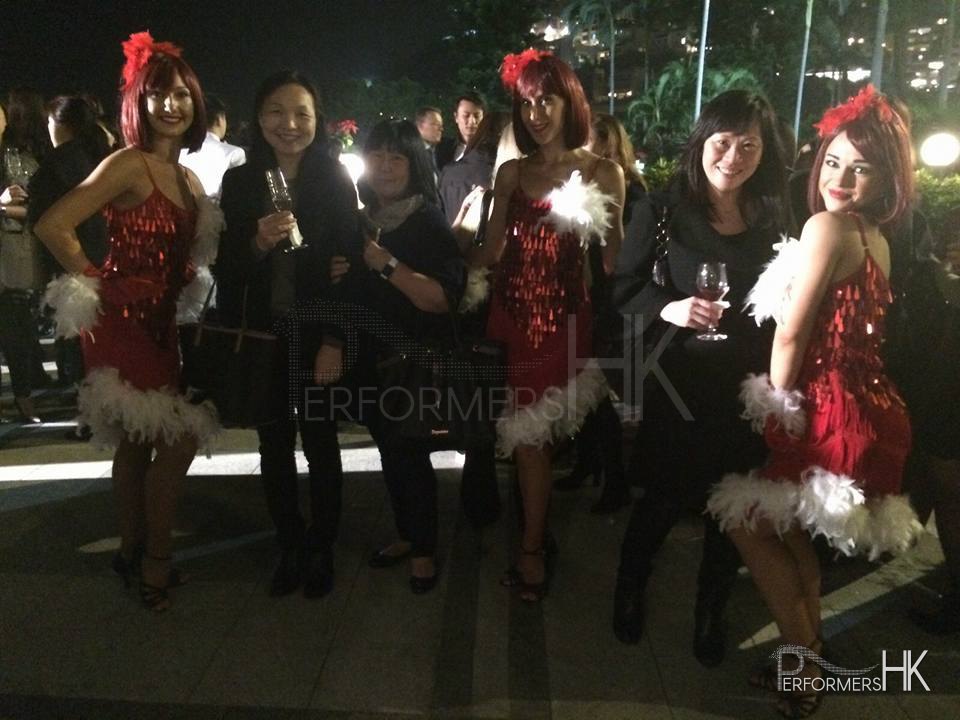
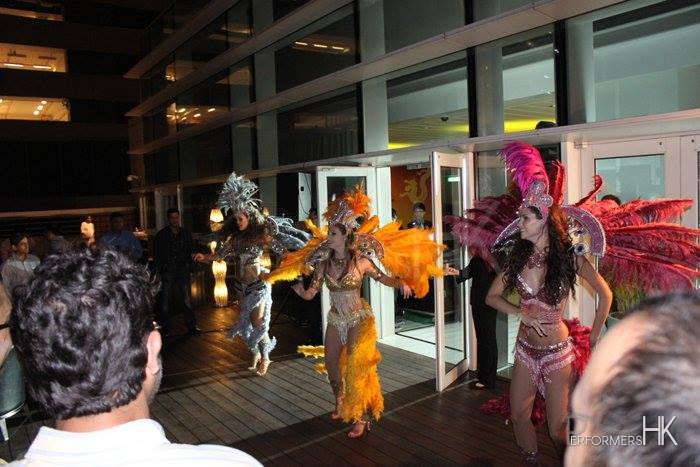
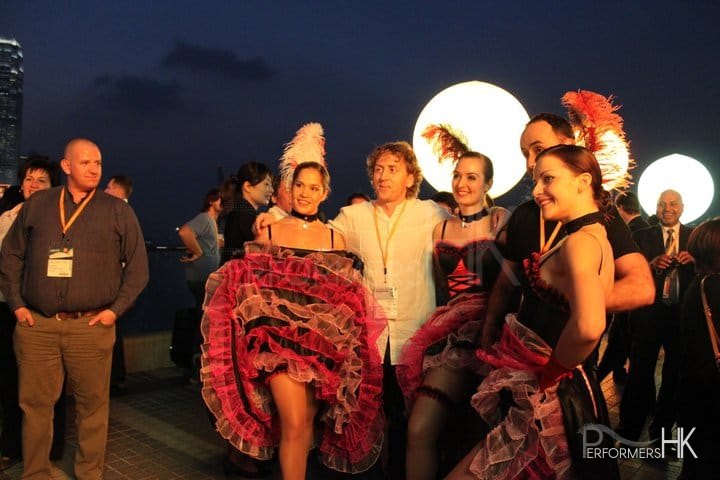
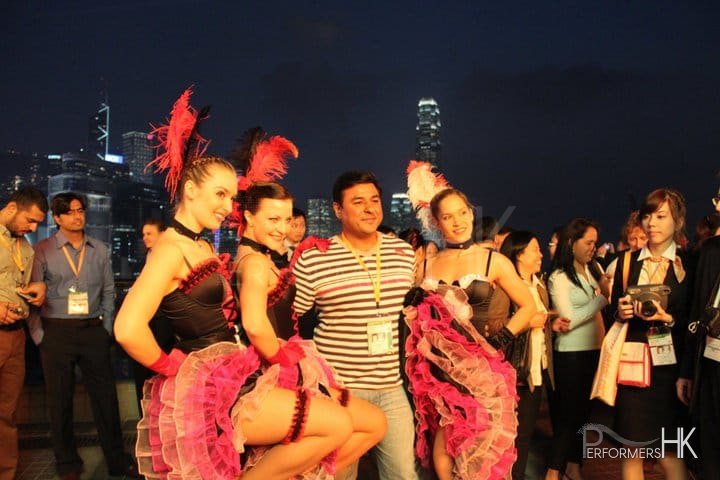
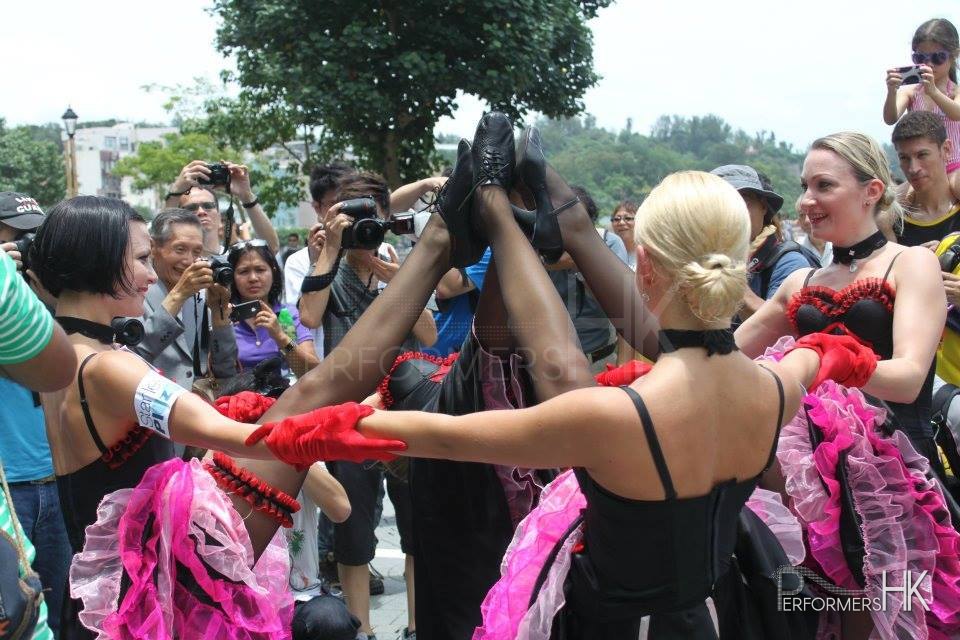
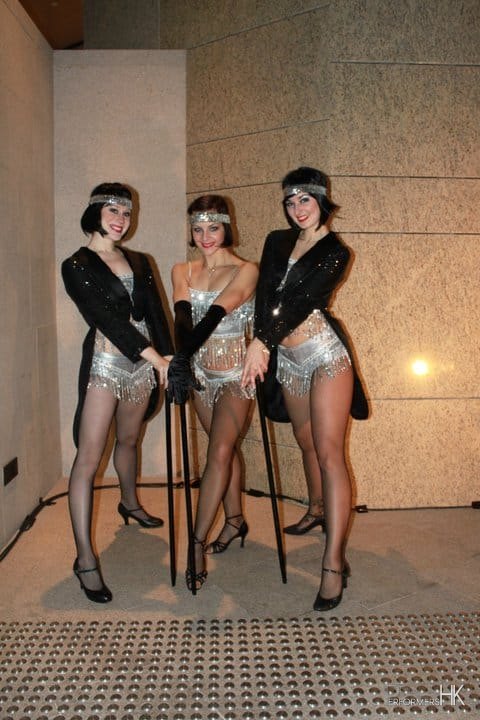
What we actually supply. We book most dance acts as two routines plus time for photographs with guests, put together as a thirty-minute section. That is deliberate. A dance that appears, performs once and leaves is poor value for what it costs.
The part that gets forgotten. Music playback. Where is the track coming from — USB, CD, the venue’s system? Can the venue amplify it properly? And how are the dancers introduced: music already running as they come in, or standing in position and then starting? On the day this matters as much as the dancing, and it should be settled weeks beforehand, not in the ballroom.
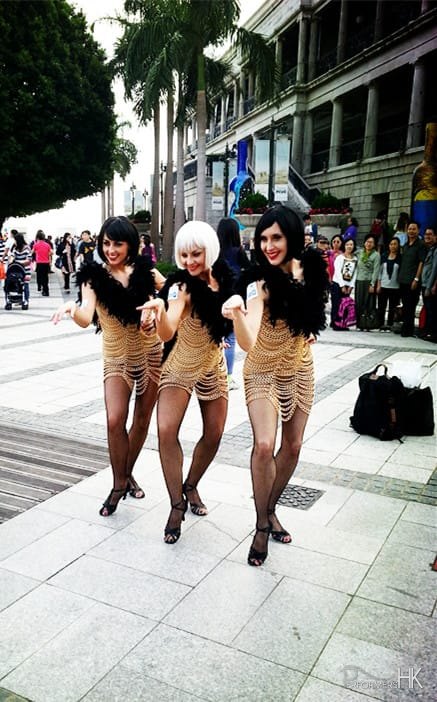
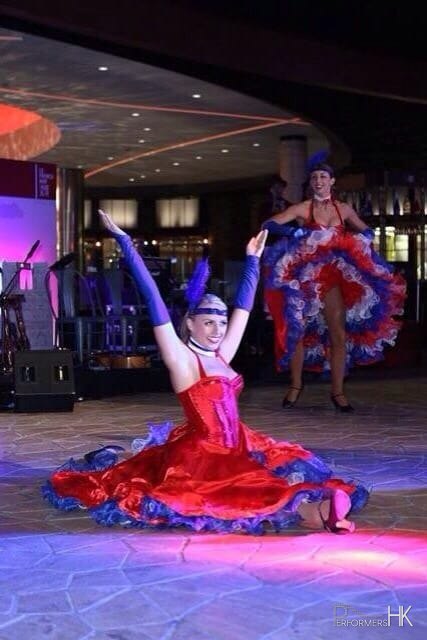
Our Dancers

Events we've done